The City That Shaped the Ancient World
Few cities in human history have left a mark as deep as Alexandria. Founded in 331 BCE by Alexander the Great, this coastal gem didn’t just rise on the Mediterranean shores—it became a crossroads of empires, eminence in science, and a beacon of knowledge. Today, as you walk through its sun-warmed streets or peer into the shadowed remnants of its grand past, you’re not just seeing ruins. You’re standing in the footsteps of philosophers, scholars, and conquerors who reshaped the world. The city that once housed the Lighthouse of Alexandria—the tallest man-made structure of its time—still whispers stories of ancient brilliance.
When you think of Alexandria, it’s easy to imagine sweeping vistas and golden sands. But beneath the modern skyline lies a layered world. The city was more than a port; it was a laboratory of ideas, home to the famed Library of Alexandria, where scholars from Greece, Egypt, Persia, and Rome gathered to debate, write, and innovate. Though the library was destroyed centuries ago, its legacy lives on in the very idea of a place where knowledge is sacred.
What Remains: The Foundations of a Dynasty
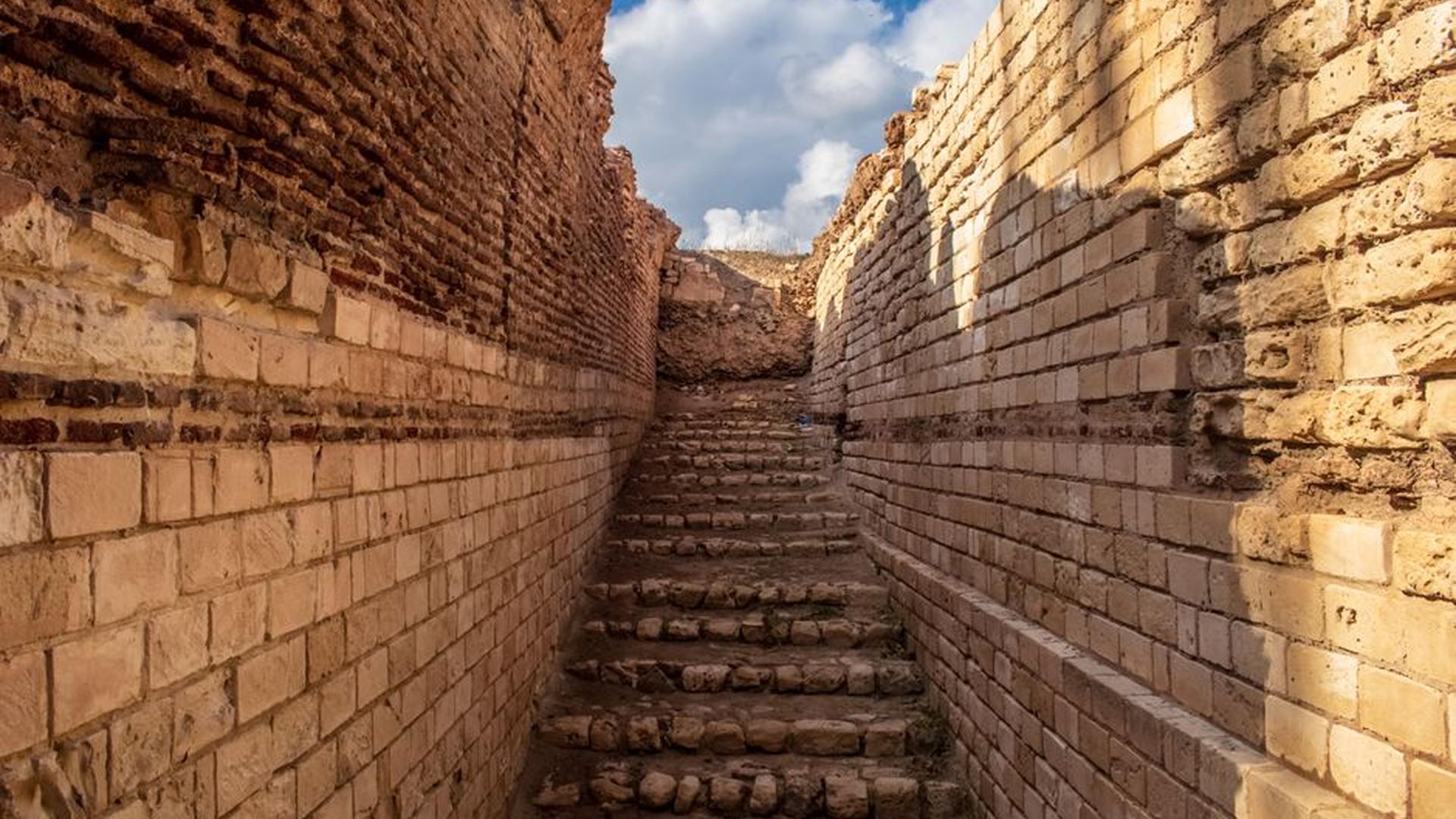
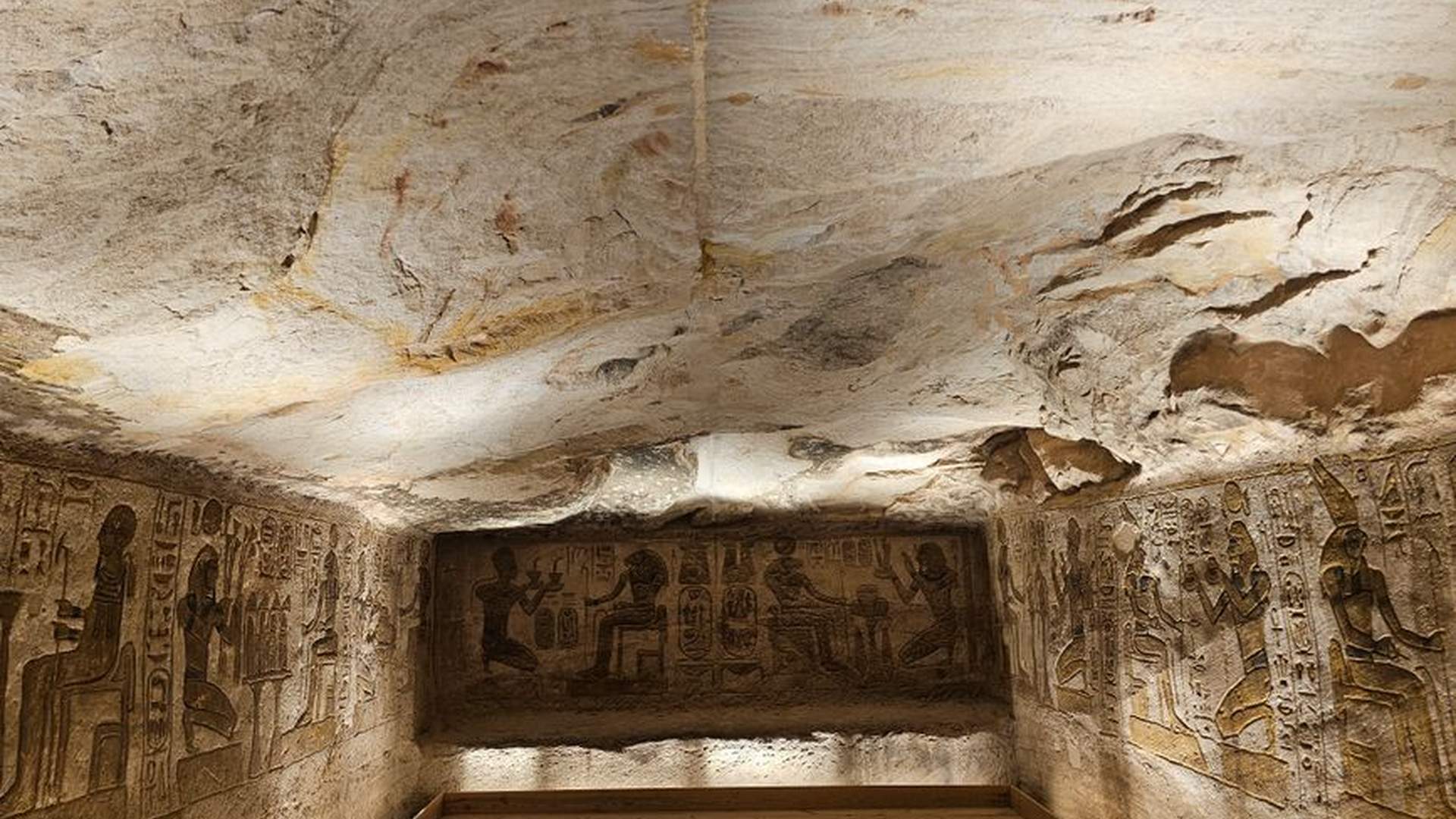
Today, Alexandria is a bustling metropolis—filled with people, traffic, and the hum of daily life. But beneath that modern rhythm, you can still feel the pulse of antiquity. The most striking relic is the Catacombs of Kom el Shoqafa, a breathtaking underground burial complex. Carved into the rock with a blend of Egyptian, Greek, and Roman styles, it’s a powerful testament to the city’s multicultural soul. As you descend into the cool, dimly lit chambers, you walk through corridors lined with sarcophagi and sculptures of gods, many of which were never meant to be seen by sunlight. This is not just a tomb—it’s a final statement on eternity, painted in stone and time.
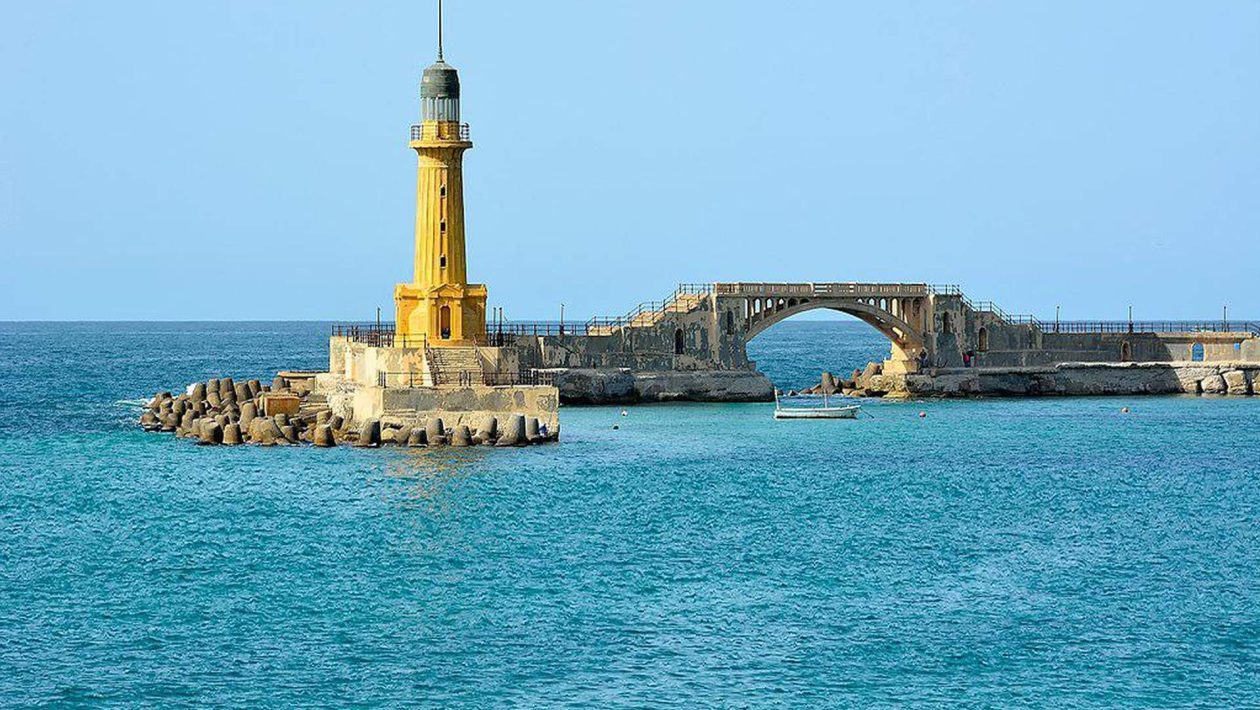
Another must-visit is the Qaitbay Citadel, built on the site of the original Lighthouse of Alexandria. Though the lighthouse itself vanished in earthquakes, the fortress that now stands here was constructed in the 15th century using stones from the old structure. As you climb the stone ramparts, the Mediterranean stretches before you—wind tossing whitecaps against the ancient foundations. The view is not just impressive; it’s emotional. You’re looking across the same waters that once carried Alexander’s fleets, Roman traders, and medieval pilgrims.
And then there’s the Alexandria National Museum. Inside, you’ll find fragments of statues, inscribed papyri, and artifacts from the Ptolemaic era. One piece stands out: a bust of Cleopatra, not the Hollywood version, but a realistic portrait based on ancient coins and records. It’s a reminder that history isn’t always polished. It’s real. It’s tactile. You can almost hear the creak of the wooden ships that once docked here.
The Library’s Shadow: Knowledge Lost and Found
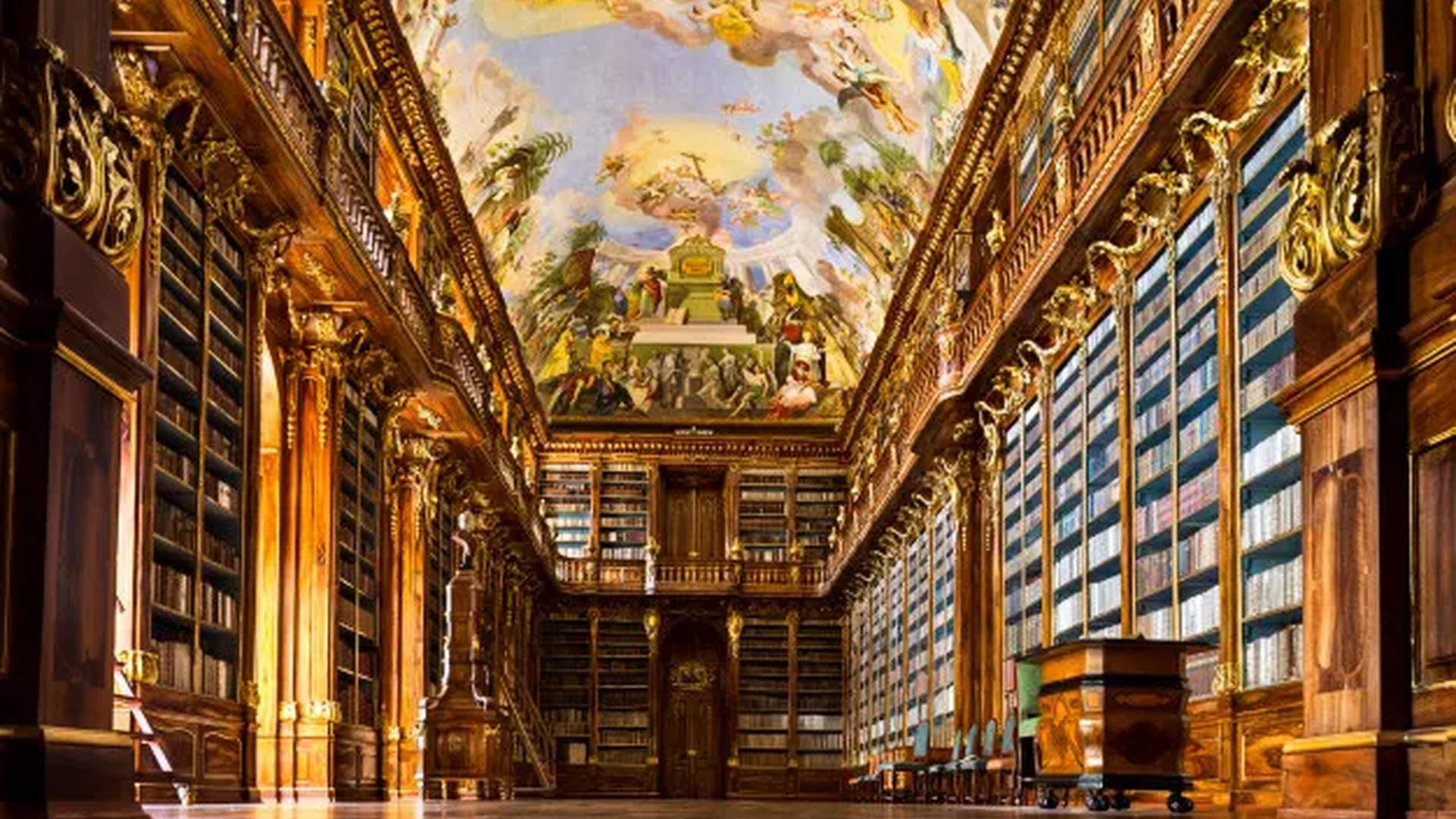
The Library of Alexandria may be gone—but its memory persists in every modern archive, every academic journal, every digital database. The story of what happened to it is still debated, but a few facts are certain: it was the largest collection of books in the ancient world, holding over 700,000 scrolls. Scholars like Euclid, Archimedes, and Hypatia worked within its halls, advancing mathematics, astronomy, and philosophy. It wasn’t just a library; it was an idea—an aspiration to gather all human wisdom in one place.
Today, a new Alexandria Library stands nearby, a gift from the Arab world to the global academic community. Though it doesn’t rival the original in size or mystique, it carries the same purpose: to be a center of learning. Its modern architecture, with glass towers glowing at night, echoes the light of the ancient lighthouse. Walking through its halls, you feel a sense of continuity—not just a monument to the past, but a bridge to it.
A Walking City of Contrasts: Alexandria Today
To visit Alexandria today is not just to travel back in time—it’s to see how the ancient and the modern coexist, often in surprising ways. In the morning, you might stroll along the Corniche, the seaside promenade, where locals jog, children fly kites, and old men play backgammon on weathered tables. By midday, you’re in the bustling downtown, where camels once carried spices to Roman traders, and now, coffee shops sell cappuccinos with a view of the Mediterranean.
The city still carries the scent of marzipan from the old pastry shops, the same recipes passed down for generations. In one quiet square, a local artist paints the outline of a Roman column on a wall—just a sketch, but it’s a way of keeping memories alive. These small acts matter. They’re the quiet resistance to forgetting.
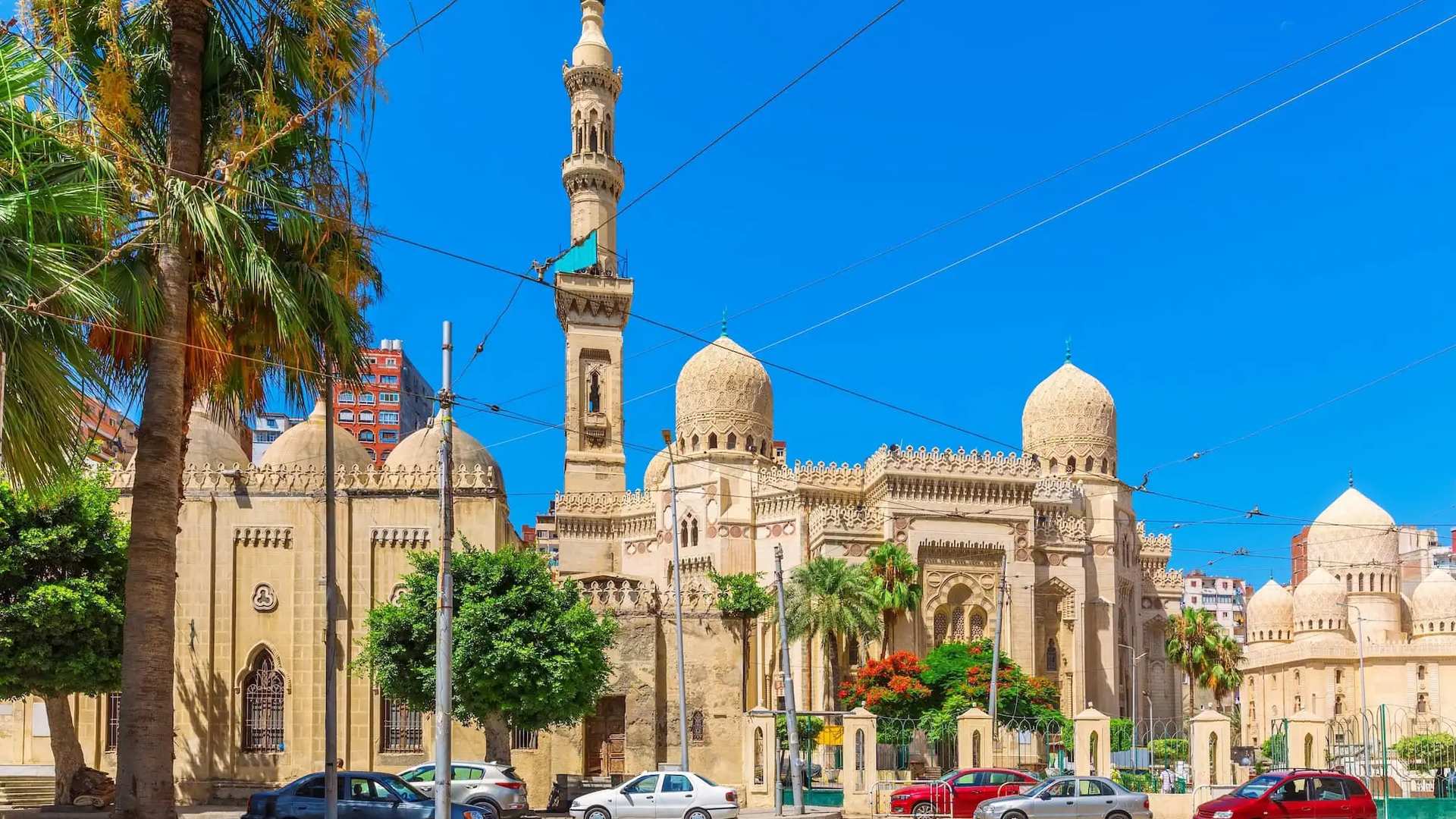
A visit to the Alexandria Mosque, built on the site of a Roman bathhouse, offers another layer of meaning. You walk into a space that once echoed with pagan chants, now filled with the call to prayer. The architecture—a mix of Mamluk and Ottoman styles—rests on foundations that predate Islam by over a millennium. It’s a living example of how cultures layer over time, not by erasing each other, but by forming new patterns of meaning.
Why Alexandria Still Matters
Alexandria is not just a relic. It’s a mirror. It reflects how civilizations rise, evolve, and adapt. The city’s true legacy isn’t in the stones that remain, but in the enduring human desire to build something lasting—something that outlives the builder.
For travelers journeying across the planet, Alexandria offers more than a stop on a map. It’s a lesson. In a world of digital noise and fleeting trends, it reminds us that meaning isn’t made in a moment. It’s built over time, through care, curiosity, and the courage to believe that knowledge, beauty, and connection can outlast empires. As you leave the city behind, carrying a postcard of the Citadel or a piece of papyrus from the museum, you’re not just taking a souvenir. You’re carrying a piece of history that still breathes.