The Wild Beauty of Cornwall’s Coastline
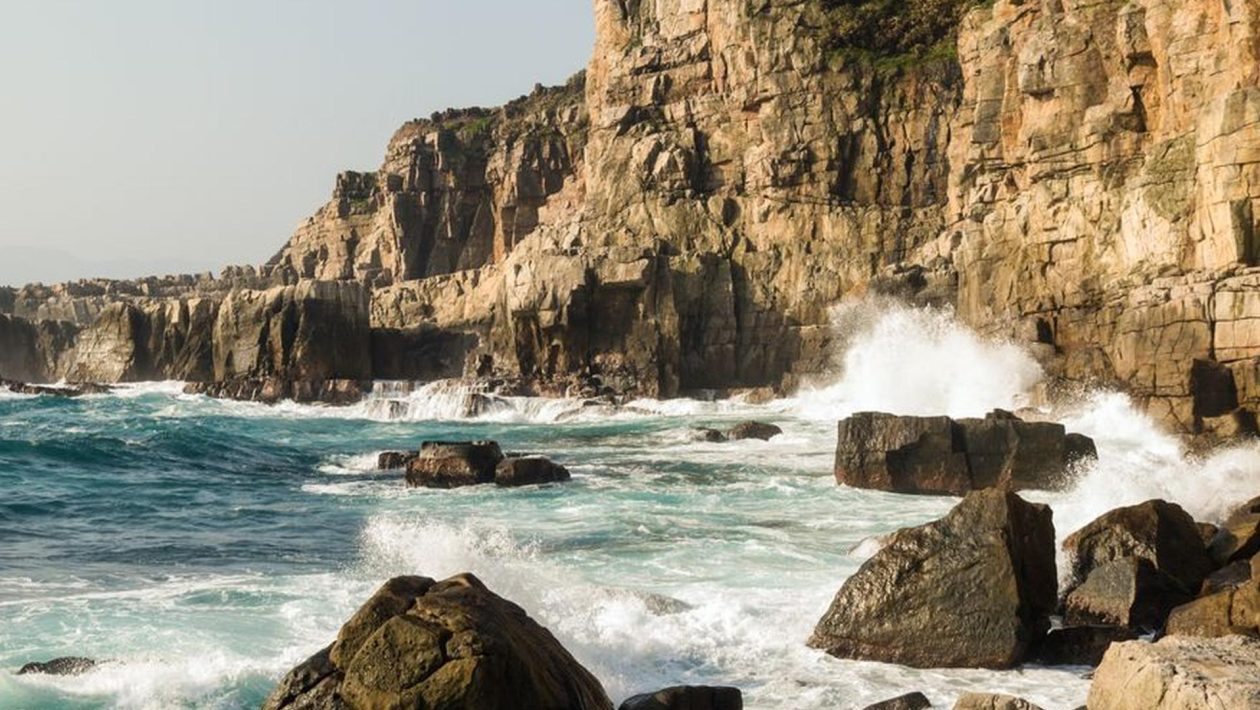
Cornwall’s coastline isn’t just a backdrop—it’s a living story told in wind-swept cliffs, crashing waves, and ancient stone walls that stretch like scars across the land. For anyone who’s ever felt the pull of the sea, longed for a quiet path where the only soundtrack is gulls and gusts, Cornwall delivers. Stretching over 300 miles, the region’s rugged shores host some of the finest seaside walking routes in the UK. Whether you’re a weekend wanderer or a seasoned hiker, these trails offer more than scenery. They give you space to breathe, to think, to walk with your thoughts—and sometimes, to lose them entirely in the endless blue.
St. Ives to Lands End: A Path of Myth and Memory
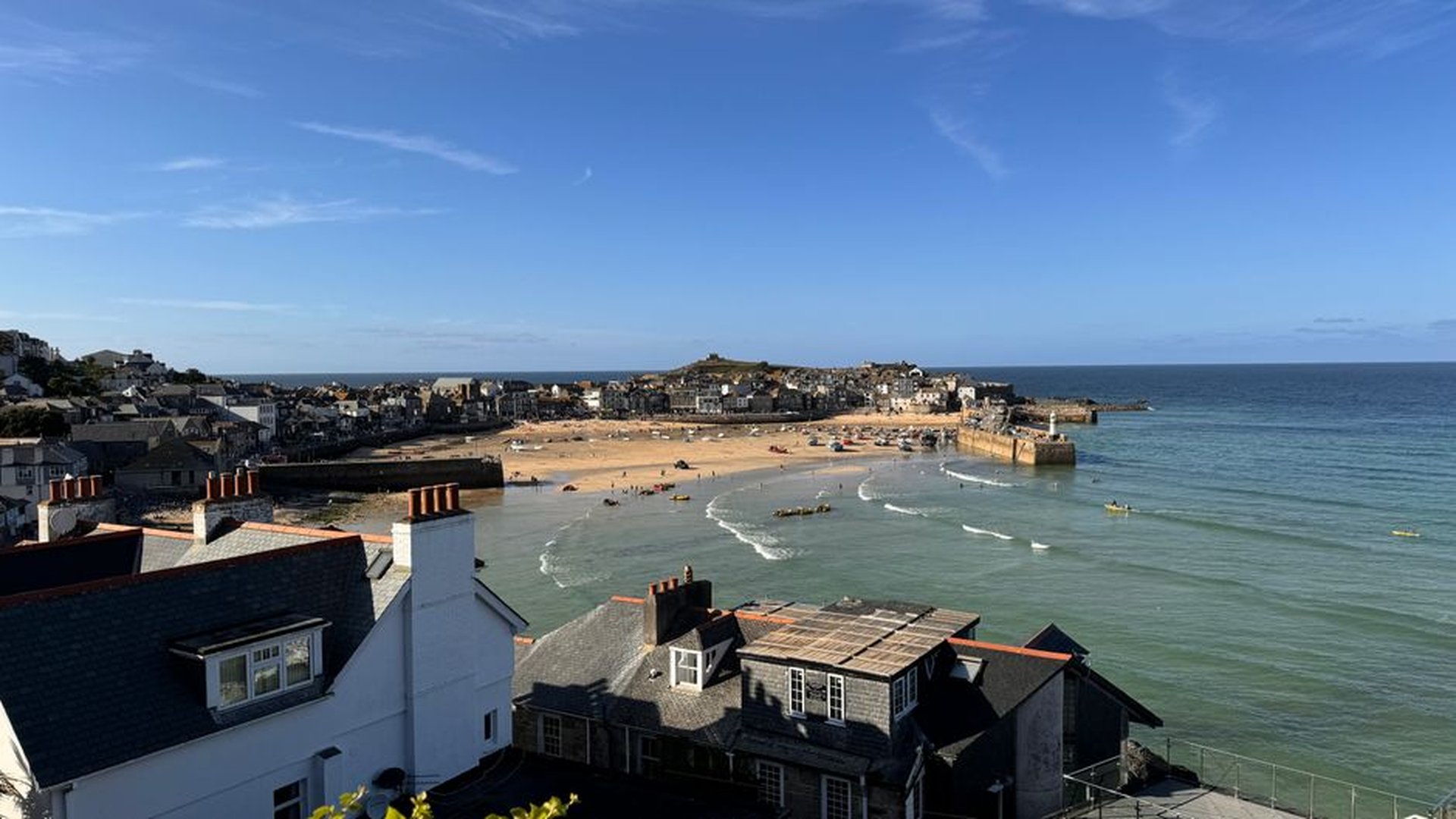
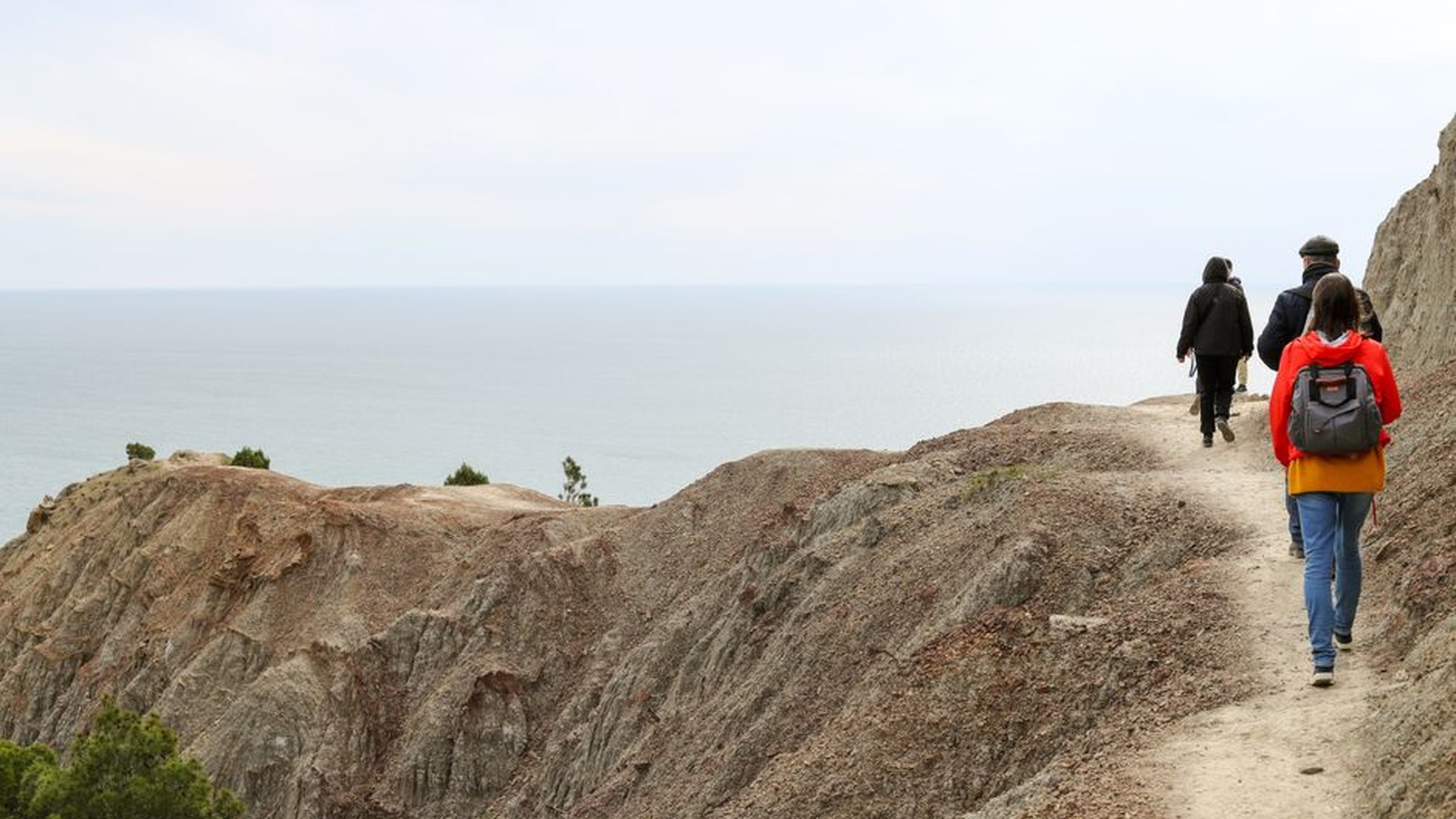
Few routes carry the weight of history, legend, and natural drama quite like the walk from St. Ives to Lands End. This 15-mile stretch along the South West Coast Path is not just a hike—it’s a pilgrimage through one of Britain’s most unspoiled landscapes. The journey begins in the artist town of St. Ives, where pastel cottages frame the harbor and the sea glints like shattered glass under a summer sun. As you step onto the trail, the air changes—saltier, colder, fresher. You pass through ragged heathland, wind-bent gorse, and tiny coves where the water is so clear you can see barnacles clinging to submerged rocks.
At the halfway point, you’ll cross the ancient stone bridge at the River Hayle—suspended over moss-covered timbers, a silent witness to centuries of foot traffic. Then, as the path ascends, the views explode: golden headlands, wild ponies grazing behind fences, and silver-blue waves curling over black rock. By the time you reach Lands End, the westernmost point of mainland Britain, you’re not just at the edge of the world—you’re at the edge of your own understanding of it. The wind here cuts deep, and the light at dusk paints everything in copper and violet. Some walk it in a day. Others spend three days, camping under stars, listening to the tides. It’s not about the finish line. It’s about being here, now, with the sea beneath you and sky above.
The Blisters and the Beauty: A Real Hiker’s Experience
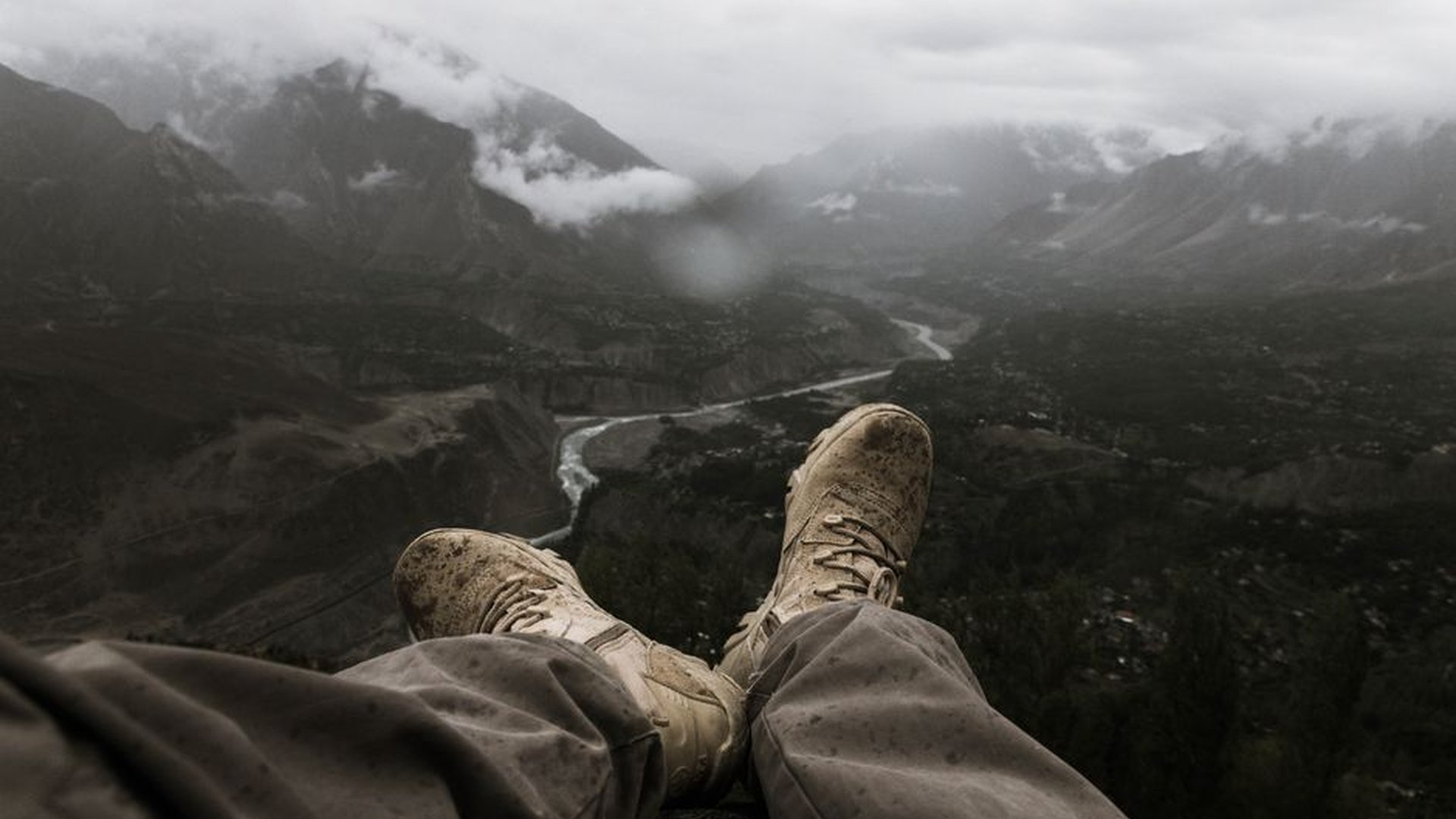
Not every walk ends with a postcard view. Some leave behind blisters, sore muscles, and a deep, quiet satisfaction. Take the walk from Looe to Polpletha, a lesser-known route along the eastern coast. Most tourists skip it—too steep, too remote, too wild. But that’s exactly what makes it powerful. The path winds through a narrow ravine, where tree roots form natural handholds and water pools like liquid mercury in stone basins. There’s no cell signal. No cafes. Just the crunch of gravel underfoot and the occasional frog leaping into the stream.
One hiker, Maria from Bristol, shared her story after completing it: “I didn’t know what to expect. I felt exposed, alone. But the moment I reached the lookout above Polpletha village—where the sea opens up like a blueprint—I cried. Not from pain. From peace. This wasn’t tourism. It was truth.”
Why Cornwall Stands Out Among UK Trails
What sets Cornwall’s walking routes apart isn’t just the scenery. It’s the way they meet you—no filters, no curated views. You walk through sheep fields that smell like wet wool and moss. You hear the cry of a skylark at dawn. You pause to watch a crab scuttle sideways across wet sand, its tiny legs a blur of motion. The local villages along the trails aren’t tourist traps. They’re real: a post office that still uses ink stamps, a pub with a thatched roof and a fireplace where the wood still smells of summer fields.
And then there’s the geology. Cornwall’s coast is shaped by deep time—tectonic shifts, volcanic activity, sea erosion. The granite crags at Scafell Point aren’t just rocks. They’re memory. They’ve stood for millions of years, and they’ve watched generations pass. When you climb one, you’re not just hiking—you’re standing where other hikers stood in 1870, 1920, even 1940. You’re part of a thread that stretches across time.
Practical Tips for Your Next Coastal Walk
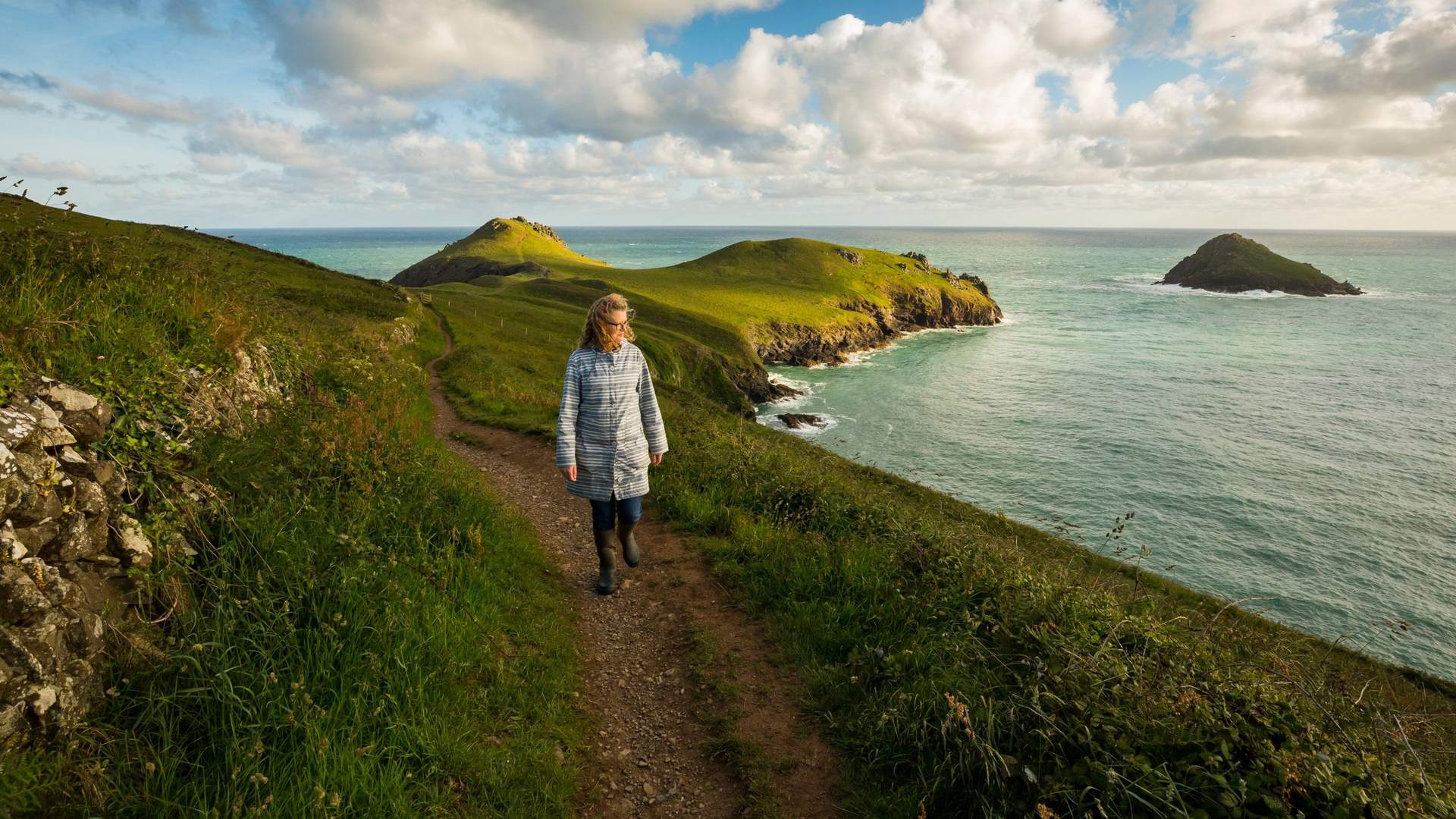
Before you lace up, here are a few things to keep in mind. Weather in Cornwall changes fast—pack waterproof layers and a good hat. The South West Coast Path is well-marked, but some sections are narrow and steep. Wear hiking boots with good grip. Bring at least a liter of water and a snack. And respect the quiet: keep noise down, avoid disturbing wildlife, and always leave no trace. In a place so raw and wild, even your shadow can feel like an intrusion.
Most importantly, walk at your own pace. Don’t rush to the next viewpoint. Sit on a rock. Watch a seagull circle for a crab. Let the rhythm of your breath sync with the tide. This is how you truly experience Cornwall—not as a spectator, but as a living part of the journey.
Final Step: Go Beyond the Map
There’s an old saying in Cornwall: “The sea speaks to those who listen.” And the walking routes? They’re not just paths across land. They’re pathways to stillness, to awe, to a deeper sense of belonging. Whether you follow the famous coastal trails or veer off onto a forgotten footpath, you’re not just walking through Cornwall—you’re walking into yourself.
So if you’re looking for the best coastal walks in Cornwall, don’t just search for the route. Look for the moment. The sunrise over Tintagel Bay. The silence between two waves. The breath you forgot you were holding. That’s where Cornwall lives. And that’s exactly why it belongs on every serious hiker’s list.