Discover the Martin Luther King Jr. Memorial with This Guide
Why This Memorial Matters
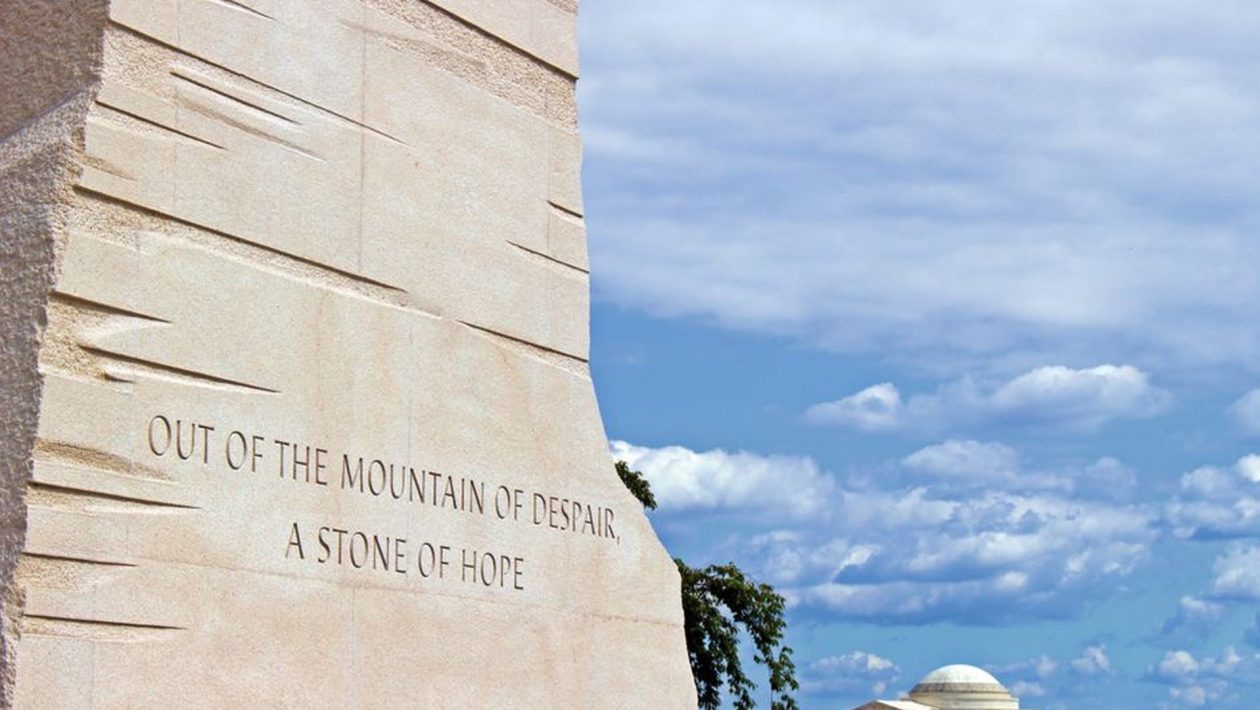
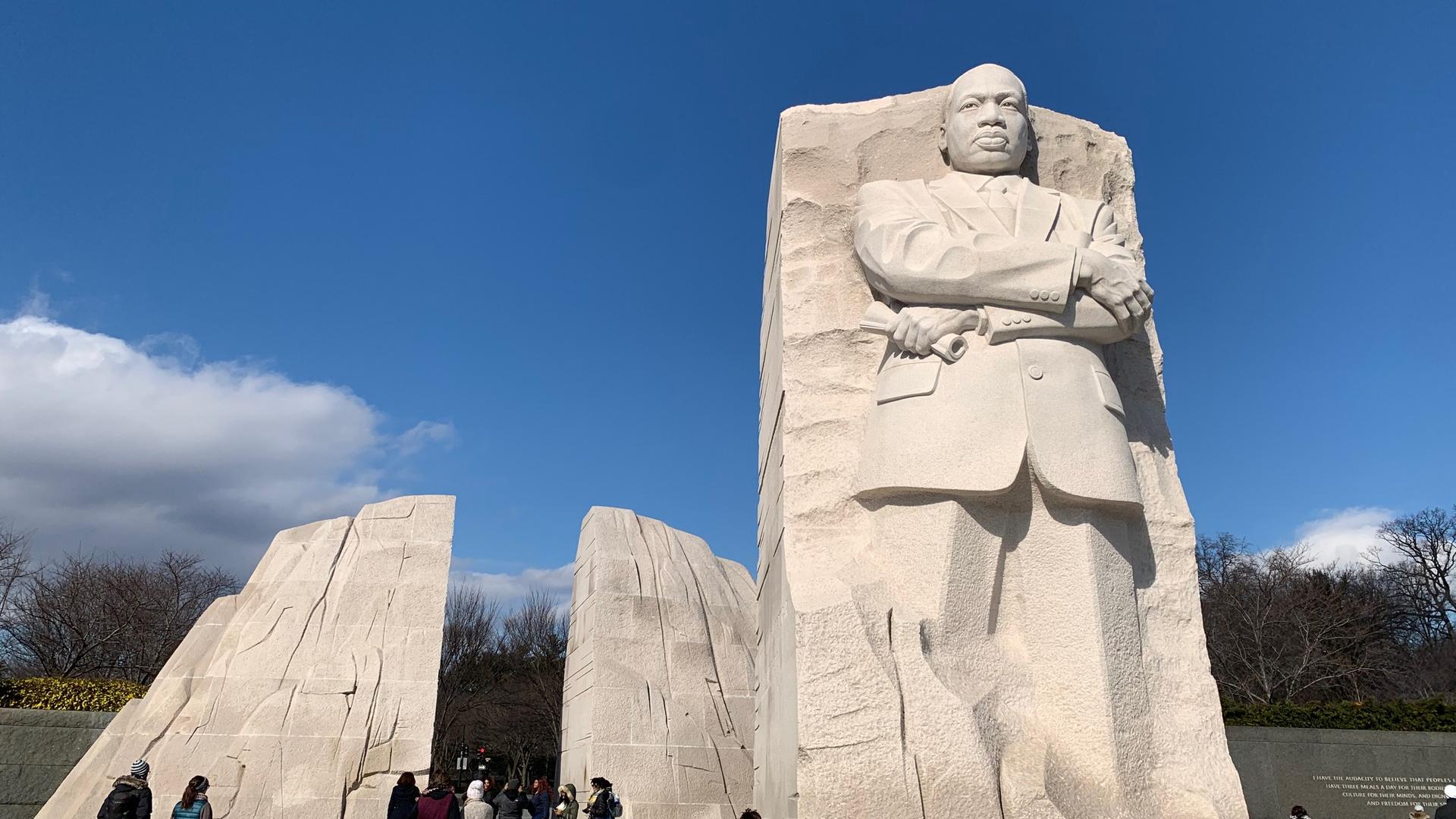
Tucked away on the National Mall, the Martin Luther King Jr. Memorial stands as a solemn yet powerful tribute to a man whose voice changed the course of American history. Unlike monuments that celebrate military might or royal lineage, this one honors a man who led with peace, principle, and profound moral clarity. The 30-foot stone figure, carved from granite, emerges from a mountain of stone that symbolizes the struggle for freedom. It’s not just a statue—it’s a meditation on justice, resilience, and the enduring fight for equality.
Visiting the memorial isn’t just about seeing a monument; it’s about stepping into a space where history feels alive. The site is designed so that as you walk toward the statue, the words of Dr. King become more visible—carved into the stone walls surrounding the plaza. Phrases like “I have a dream” and “Free at last” appear in reverse relief, subtly shifting as sunlight moves across the surface. This isn’t just architecture—it’s storytelling through light and shadow.
Where to Find It
Located on the National Mall, the Dr. Martin Luther King Jr. Memorial is just steps from the Lincoln Memorial and the Reflecting Pool. The exact address is 1964 Independence Avenue, SW, Washington, D.C. 20006—named in honor of the year the Civil Rights Act was passed. It’s easily accessible by the Washington Metro (nearest station: Smithsonian), or by bike, foot, or ride-share from nearby hotels.
Plan your visit early in the morning, ideally around sunrise. The low angle of the sun casts long shadows and makes the carved inscriptions on the walls glow with soft light. Many tourists come at midday, but those who arrive at dawn find a quiet, almost sacred atmosphere. The only sounds are the rustle of leaves, distant footsteps, and the occasional soft hum of a camera shutter.
The memorial is open daily from 5 a.m. to 11 p.m., but early mornings and late afternoons offer the best balance between light, crowd size, and reflection. Wearing comfortable shoes is essential—this is a walk you’ll want to linger on.
Key Features to Know
You’ll notice a few elements as soon as you enter the plaza: a circle of water, two stone walls inscribed with King’s words, and the towering figure emerging from a block of stone. But what really stands out is the curve of the monument. It’s not symmetrical, and that’s intentional. The design reflects the idea that progress isn’t a straight line—it’s a journey full of twists, setbacks, and sudden leaps forward.
One of the most emotional moments comes when you reach the base of the statue and look up. King’s face is calm, focused—his eyes fixed on a future he believed in. His hands are open, not in prayer, but in offering. This gesture speaks volumes: he was not just a leader, but a servant of justice.
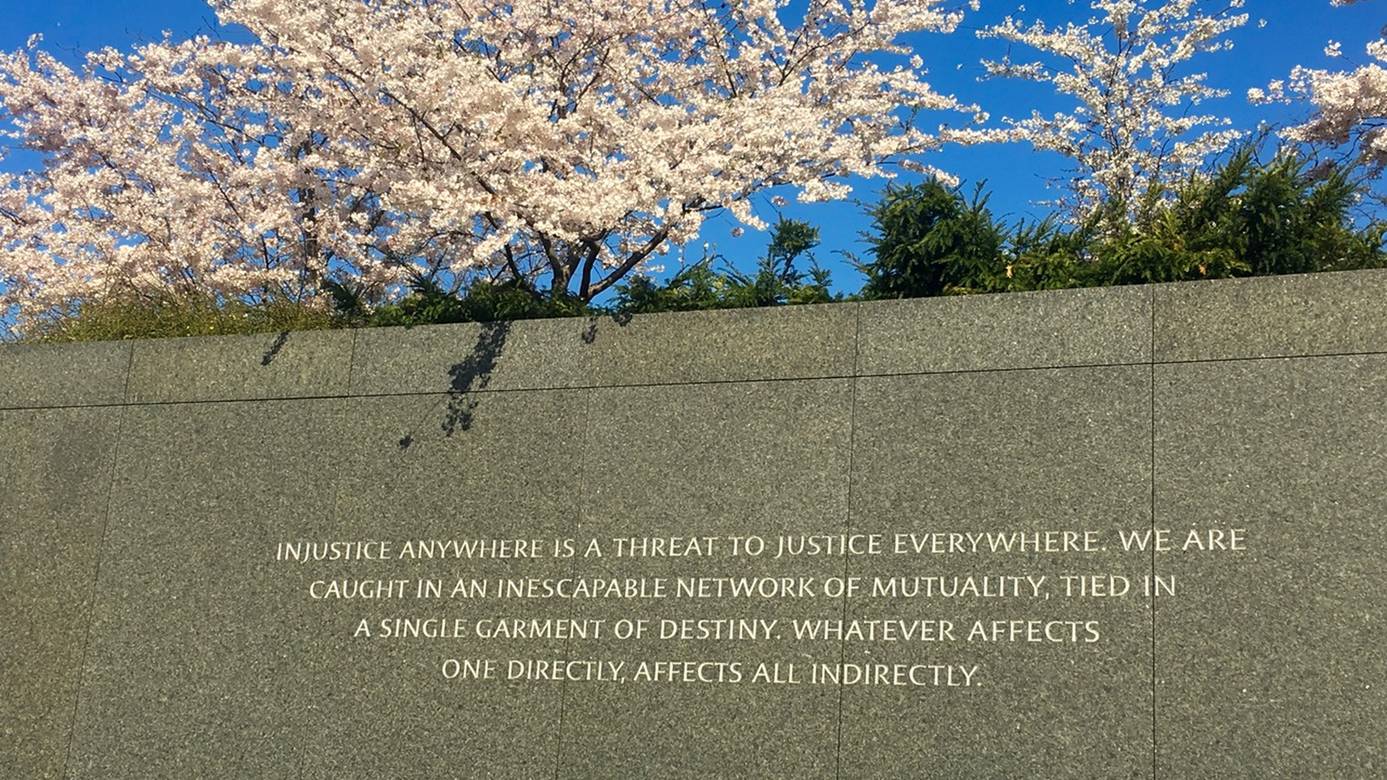
The two walls on either side are not just decorative. The West Wall features a quote from King’s 1963 March on Washington speech: “I have a dream that one day this nation will rise up and live out the true meaning of its creed…” The East Wall includes his famous letter from Birmingham Jail: “Injustice anywhere is a threat to justice everywhere.” These inscriptions aren’t chosen at random. They’re part of a narrative arc—how he challenged injustice, demanded change, and inspired millions to keep moving forward.
A lesser-known but powerful detail: the stone blocks around the base have small cracks and imperfections. These aren’t flaws—they’re intentional. The artist, Lei Yixin, said they represent the idea that even in great strength, there is vulnerability. There is no grandeur without struggle.
How to Make the Most of Your Visit
This isn’t the kind of place you rush through. A visit should last at least 45 minutes to an hour. Take time to read the quotes, walk around the statue, and sit briefly on the stone benches near the water pool. Some visitors bring small notebooks to write down lines that move them. Others pray quietly or simply stand in silence.
If you’re traveling with family, bring a printed copy of King’s “I Have a Dream” speech. Read it aloud near the west wall. Children as young as 10 can grasp the core message: a world where people are judged not by skin color, but by character.
Photography is allowed, but be respectful. Avoid large crowds and pose only when the space is open. A great shot happens at 6:15 p.m. in early summer, when the sun hits the face and the memorial’s name appears in warm light on the ground.
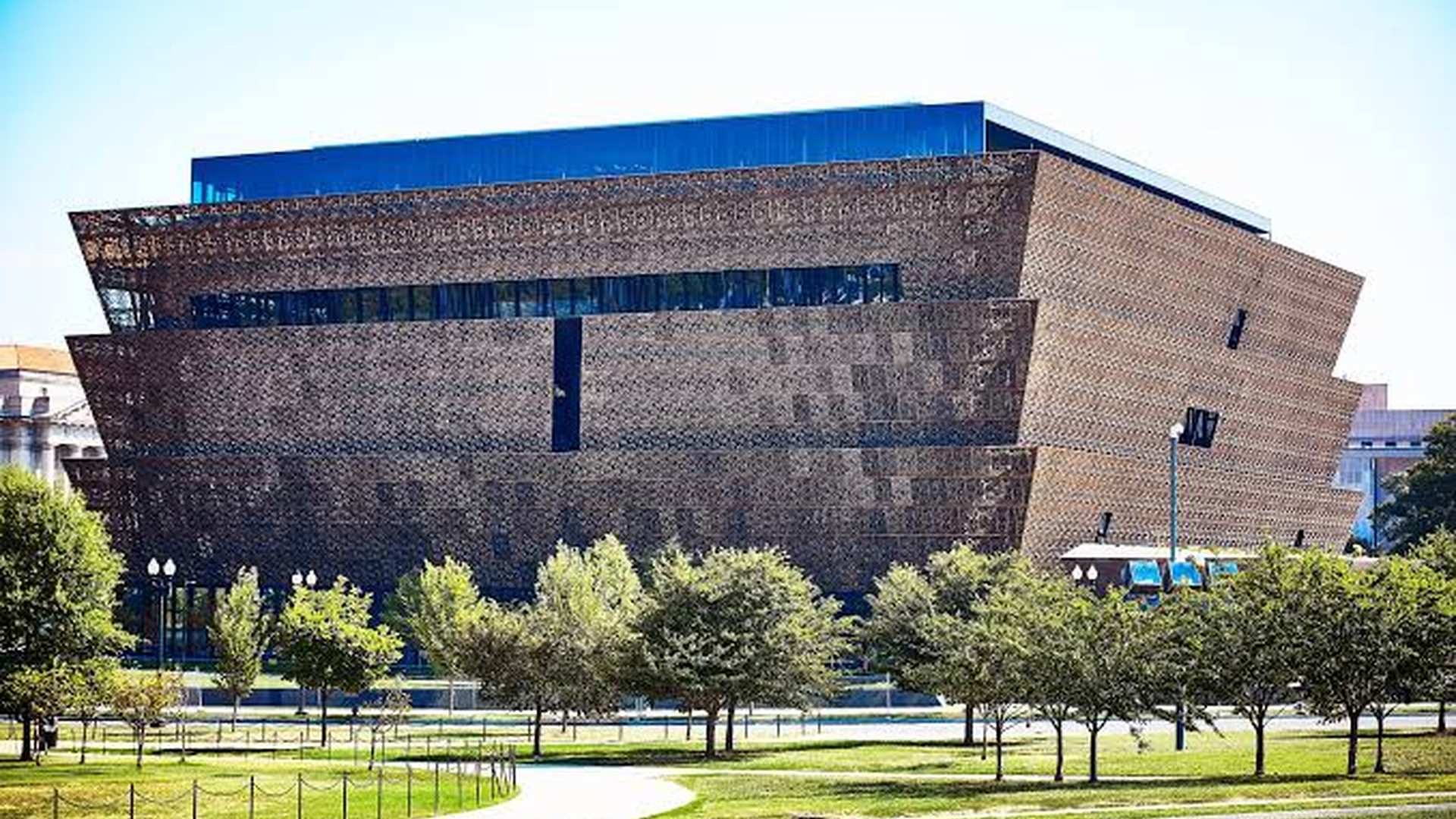
If you’re on a longer trip to Washington, pair this visit with the National Civil Rights Museum (in Memphis, Tennessee, but worth a stop if you’re road-tripping) or the National Museum of African American History and Culture. These sites deepen the context of the memorial and help you see King not as a figure from the past, but as a living presence in America’s ongoing journey toward fairness.
What to Remember After You Leave
The real power of the Martin Luther King Jr. Memorial doesn’t end at the gates. It lives in the questions it leaves behind: How are you standing up for what’s right? What injustice in your community needs to be named and challenged? What kind of legacy do you want to leave?
Many visitors return not for another visit, but to reflect on how they’ve used the experience to empower others. Some volunteer at local organizations. Others teach the speech in classrooms. One woman, after returning from her visit, started a community garden in her neighborhood to honor King’s belief in collective action and growth.
This memorial isn’t about nostalgia. It’s about energy. It’s about turning inspiration into action. The stones are cold, but the message is hot—still burning, still urgent.
As you leave, walk slowly past the Reflecting Pool and look back. In the still water, you’ll see the statue and the sky combined—peaceful, enduring, and full of possibility. That’s the moment you know you’ve not just visited a landmark. You’ve stepped into a promise—one that began in 1968, and continues, today, in every act of courage, compassion, and truth.