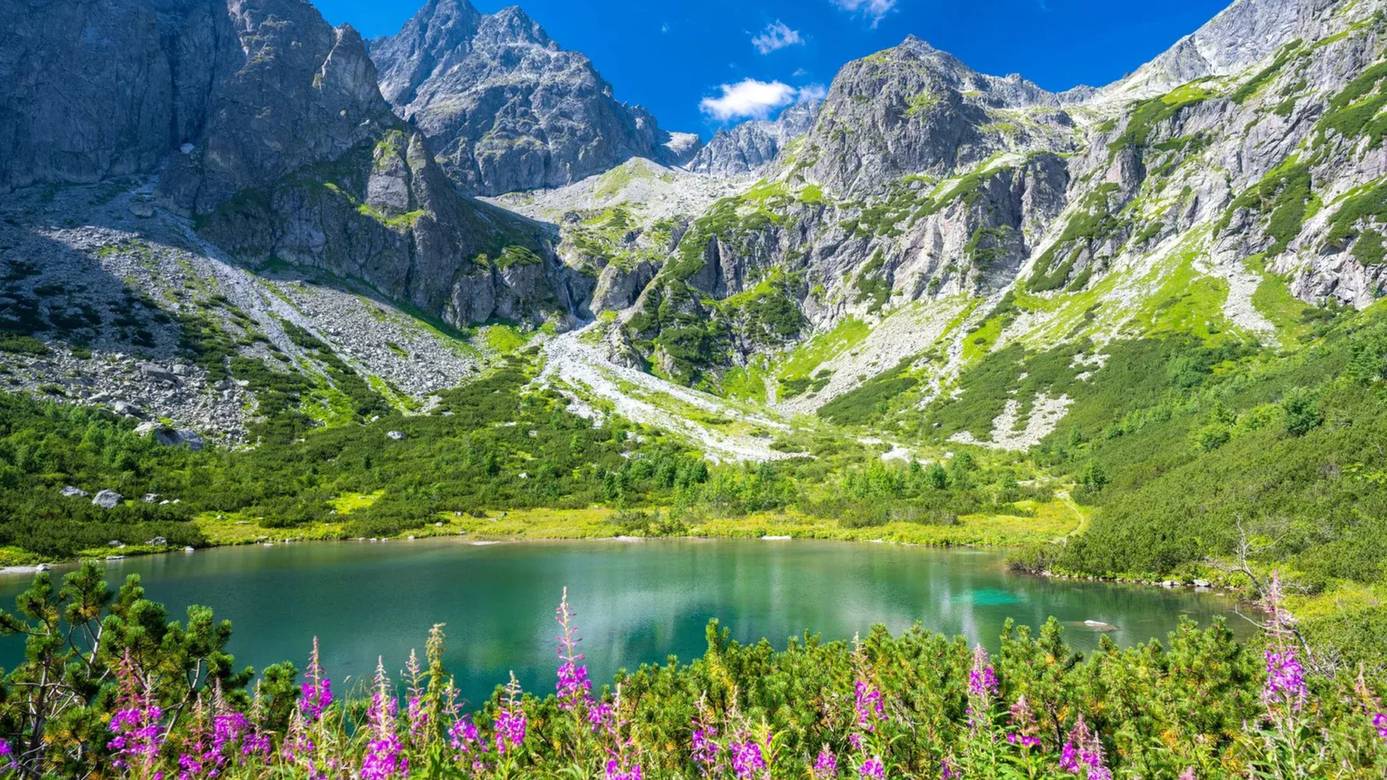
Discover Slovakia’s Wild Beauty for Nature Lovers—where dense forests, jagged mountain ridges, and hidden alpine lakes form a living canvas of untouched Europe. Nestled between the Carpathians and the Danube, Slovakia remains one of the continent’s best-kept secrets for those who crave raw natural beauty without the crowds. It’s not just a destination; it’s an immersion into a world where nature speaks louder than cities ever could.
Through the Emerald Veil: Forests That Breathe
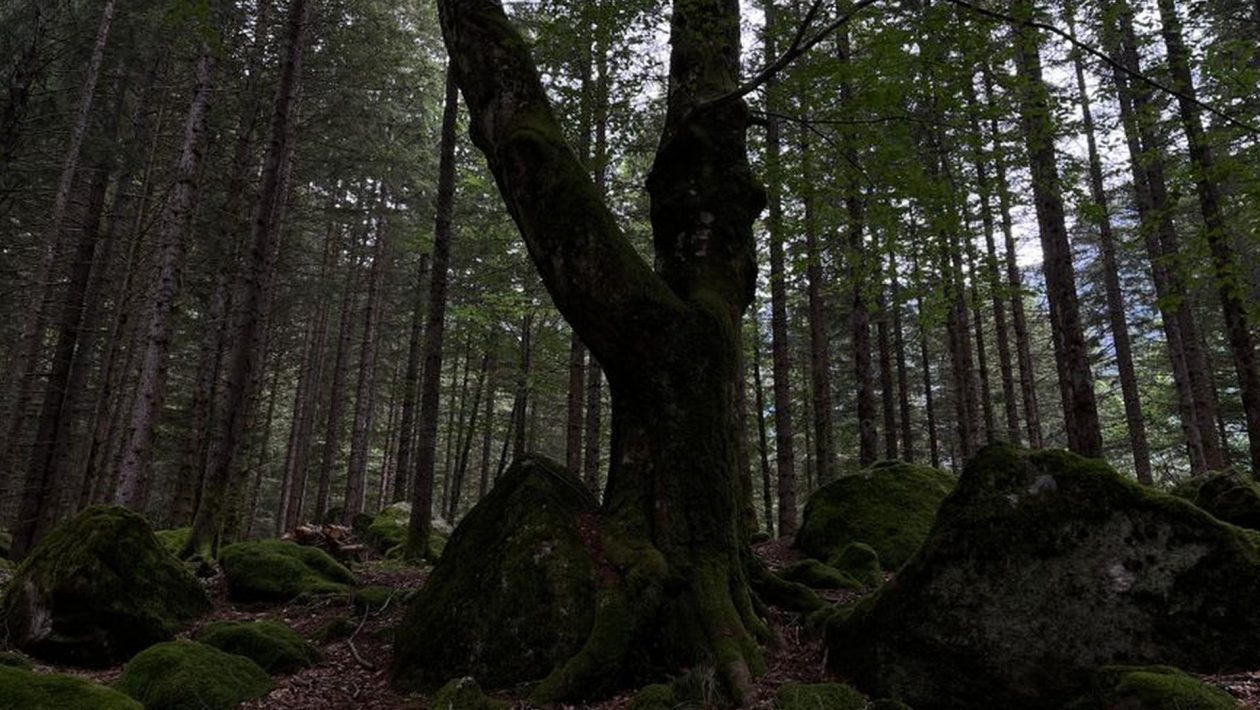
Step into the Low Tatras, and you’re not just walking through a forest—you’re stepping into a cathedral of green. Ancient beech and spruce trees stretch skyward, their trunks wrapped in moss like nature’s own lace. This is not a manicured park. This is old-growth woodland where deer graze in silence and the wind hums through centuries-old branches. The Kysuce region, near the eastern edge of the Tatra Mountains, is home to the most preserved temperate forest in Central Europe. Here, you’ll find the untouched Pieniny National Park, where limestone cliffs rise like ancient sentinels, and the Váh River carves through valleys with a rhythm older than history. Hiking here isn’t a chore—it’s a meditation. Every footfall on mossy trails, every rustle in the underbrush, reminds you that you’re not just visiting nature—you’re becoming part of it.
Alpine Secrets: Where the Mountains Whisper
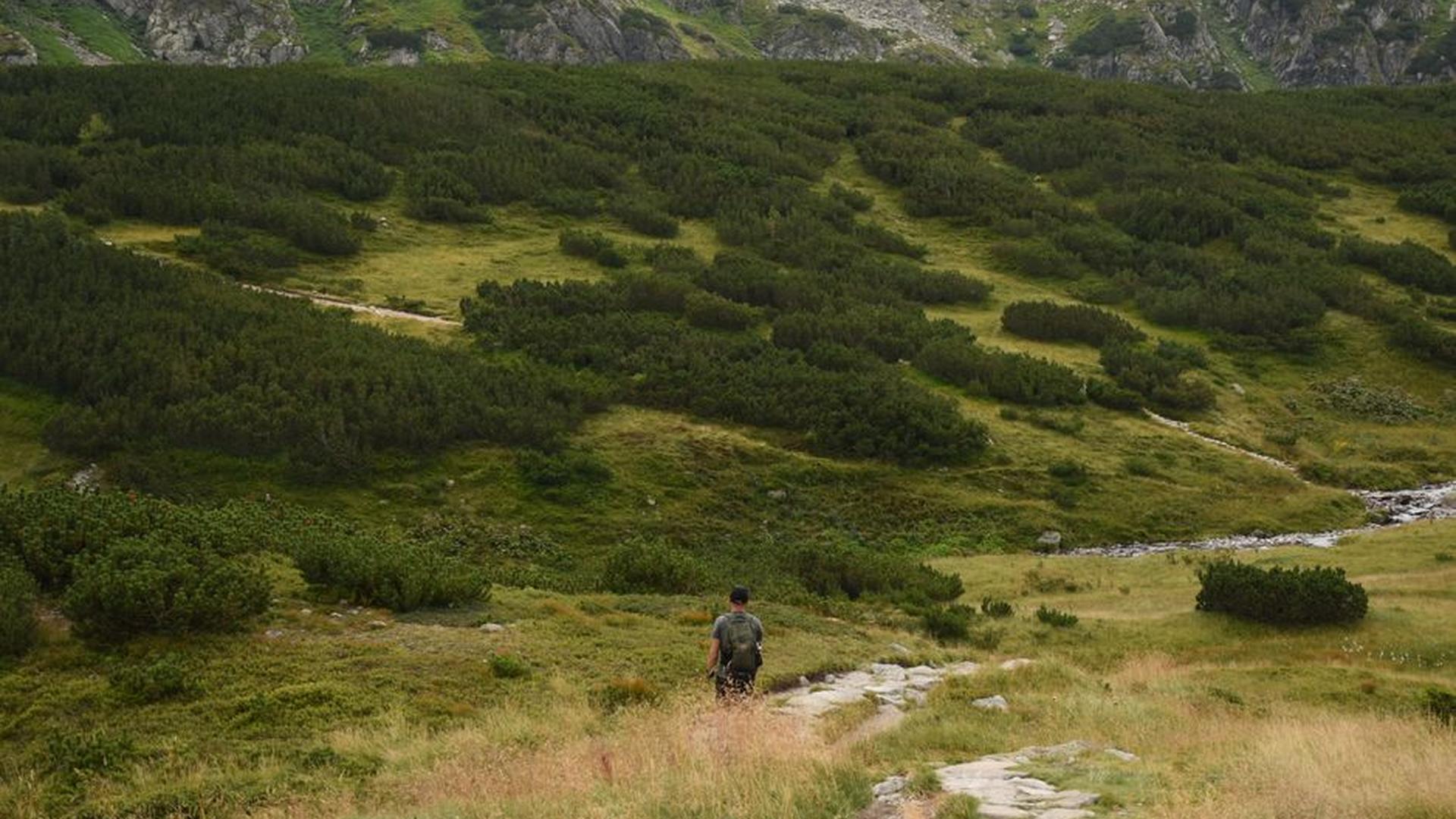
The High Tatra Mountains aren’t just a backdrop—they’re a character in the story of Slovakia. At over 2,600 meters, Gerlachovský štít, the country’s highest peak, stands as a silent guardian of the horizon. But it’s not the summit that draws wanderers—it’s the trails that wind through alpine meadows, where wildflowers bloom in bursts of purple, yellow, and crimson. In early summer, the air still carries the chill of snowmelt, and the silence is so deep you can hear your own thoughts. Few climbers reach these inner ridges, which means you might spend hours alone with a view that feels stolen from a dream. The Tatra National Park, established in 1949, protects over 700 square kilometers of protected terrain. Tucked within it, the picturesque village of Štrbské Pleso offers alpine huts with wooden interiors, steaming mugs of herbal tea, and front-row seats to the mountain’s daily transformation—from misty dawn to golden sunset.
Hidden Waterfalls and Alpine Lakes: Nature’s Liquid Gold
Slovakia’s rivers don’t just flow—they dance. In the Poloniny National Park, deep in the eastern border near Ukraine, the Rában stream tumbles over moss-coated rocks, forming a series of cascades that shimmer like liquid silver in sunlight. One of the most breathtaking spots is the Kamenec Waterfall, hidden behind a curtain of ivy and trees. Access is via a narrow footpath that winds through birch groves and ferns, making the arrival feel like a secret being revealed. And then there’s the Liptovská Mara, a reservoir formed by a dam, but looking more like a mirror than a man-made lake. Surrounded by pine forests and dappled sunlight, it’s perfect for kayaking at dawn or simply sitting on a rock, watching swallows dive for fish. The water here is so clear you can see every ripple, every pebble, as if nature polished it just for your eyes.

Wildlife Encounters: Where the Unseen Walks
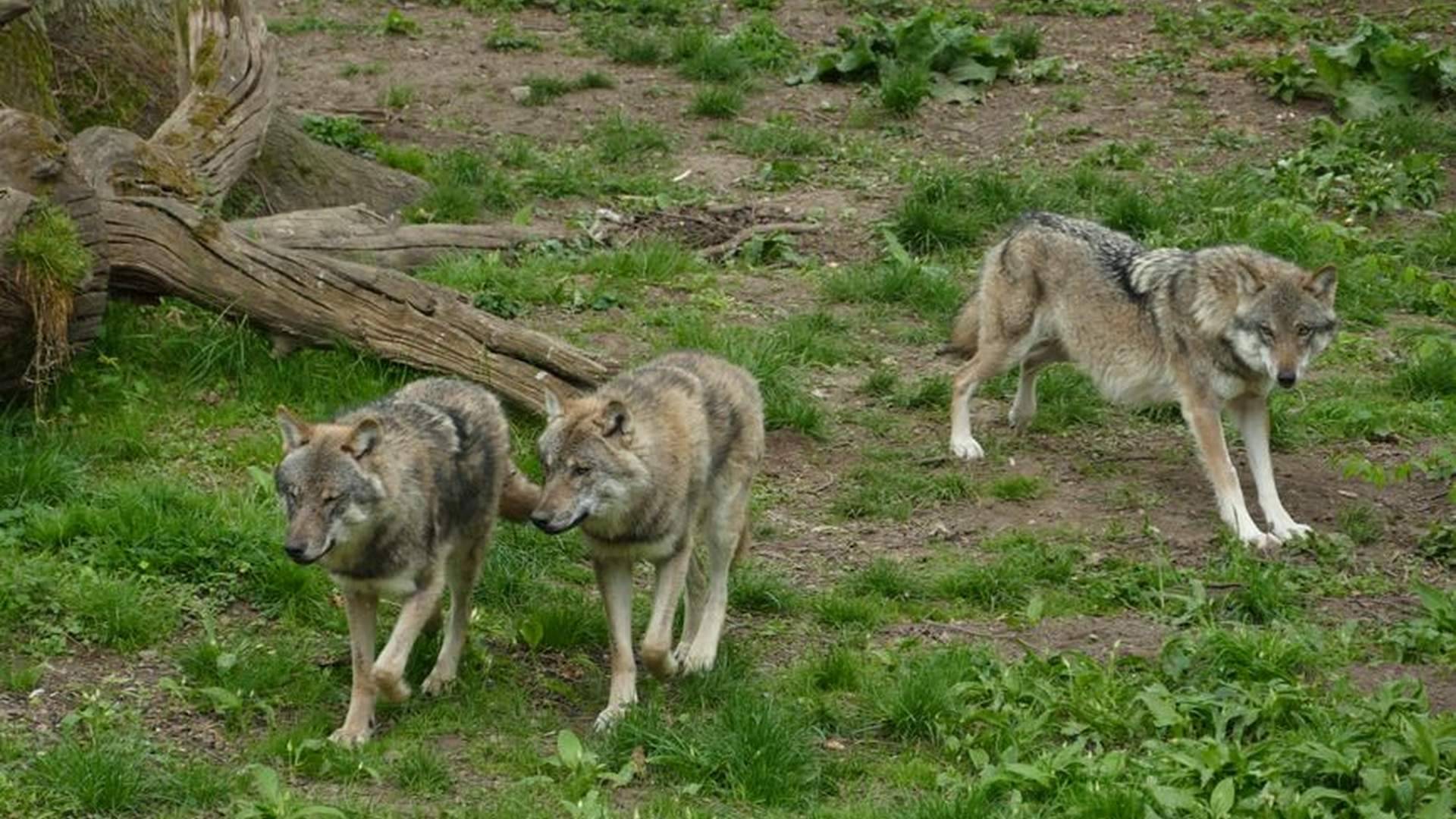
Slovakia’s wildness isn’t just visual—it’s alive. In the Carpathian foothills, you might spot a lynx slinking through the trees, or hear the distant call of a gray wolf at twilight. The country is one of Europe’s last strongholds for the European bison, with a reintroduction program that has successfully expanded populations in protected zones like the Vihorlat Mountains. Night hikes in the Poloniny region, equipped with a headlamp and quiet steps, can lead to surprising encounters: a red deer emerging from a misty glade, or a golden eagle circling above a cliffside. These aren’t staged photo ops. These are real, raw moments—proof that nature still thrives when left alone.
Why Slovakia Stands Apart in Eastern Europe
What sets Slovakia apart from other Eastern European destinations isn’t just its geography—it’s its philosophy. Unlike bordering nations that have commercialized nature through mass tourism, Slovakia has held back. The country still operates on a principle that balance matters more than profit. You’ll find no tourist trolleys, no overdeveloped ski resorts, and no chain hotels in the heart of the wilderness. Instead, you’ll find family-run lodges built from local wood, guesthouses where the owner knows your name after one night, and hiking maps drawn by hand in the local inn. This authenticity isn’t marketed—it’s felt. It’s in the smell of pine after rain, the local brew served in thick mugs, and the way a shepherd’s dog barks once at a stranger and then returns to its post.
Slovakia isn’t about ticking boxes. It’s about slowing down. About standing still long enough to hear the wind in the leaves, to spot a spider web glistening with dew, to realize that a single stone by a river might have rolled down a mountain since the ice age. For nature lovers who want more than scenery—more than a view—the country offers something rarer: presence. It invites you not to conquer nature, but to listen to it. As the sun sets over the Low Tatras and the first fireflies blink to life in the valley, you’ll understand why this small nation holds such wild magic. It’s not just beautiful. It’s real.