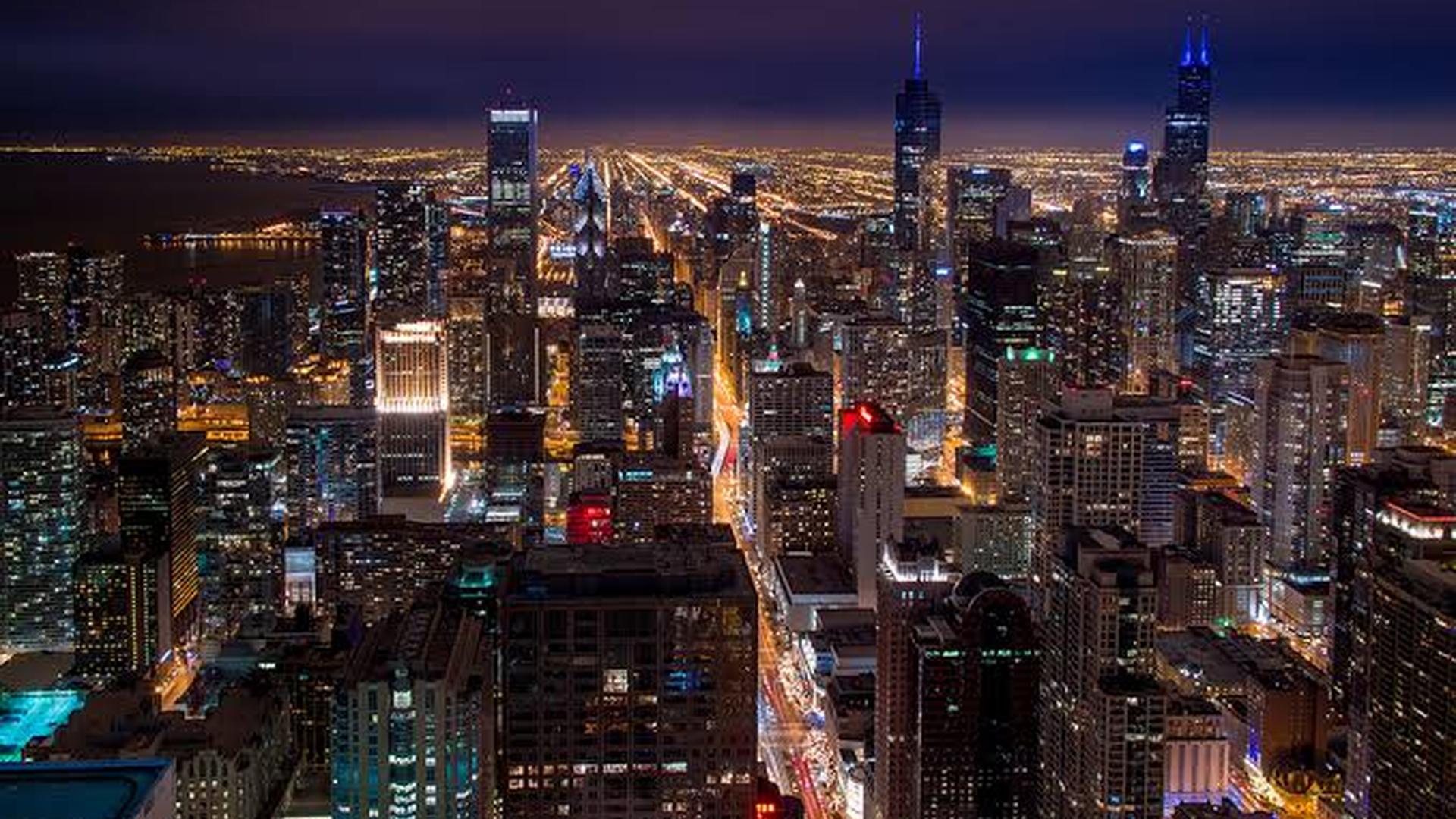
Why is Chicago an architecture geek’s paradise? The city doesn’t just have buildings—it has stories carved in steel, glass, and limestone. From the sweeping curves of Frank Lloyd Wright’s Robie House to the vertical drama of the Willis Tower, Chicago doesn’t just define American architecture—it redefines it. If you’re someone who finds beauty in the way a beam supports a skyward dream, or who gets goosebumps walking through a space shaped by engineering genius, then Chicago isn’t just a stop on your travel list. It’s a destination for soulful discovery.
The Birthplace of Modern Skyscrapers
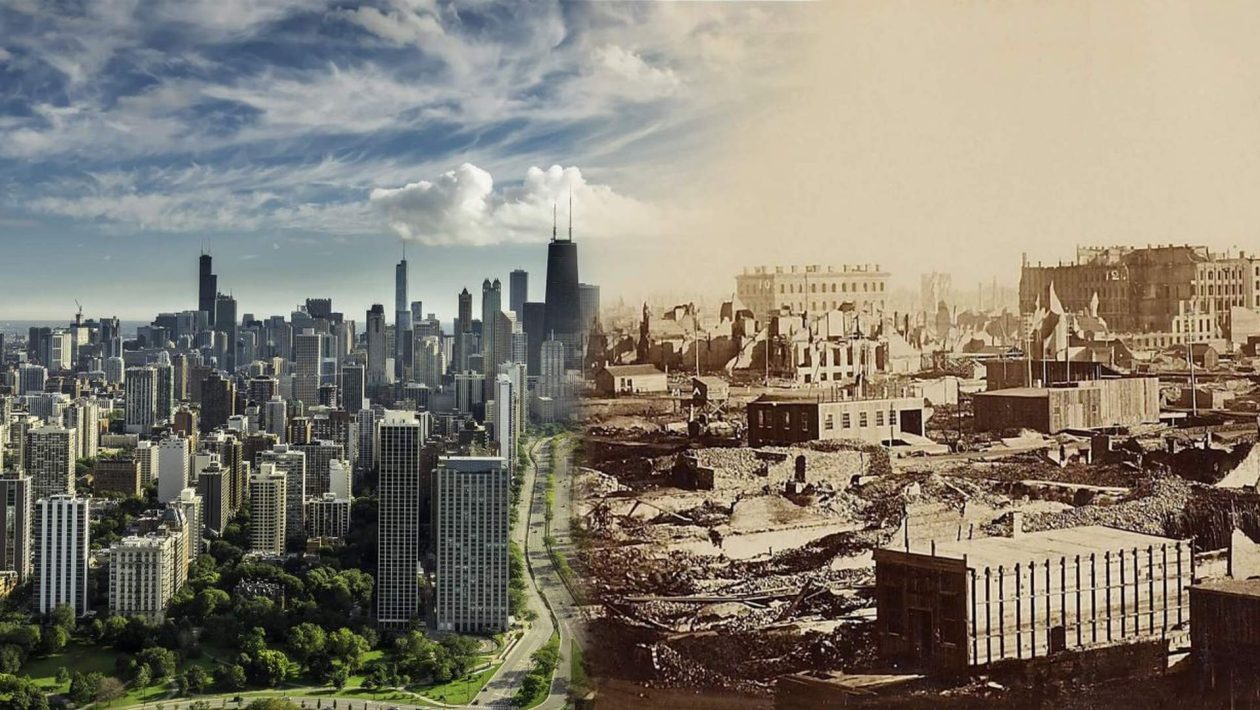
Chicago didn’t invent the skyscraper—but it did perfect it. After the Great Fire of 1871 destroyed much of the city’s core, architects and engineers were given a blank slate. In that firestorm of destruction, a new architectural language was born. The city became a laboratory for glass and iron, where vertical ambition met structural innovation. The Home Insurance Building, completed in 1885, is widely recognized as the world’s first true skyscraper. Though it’s long since been replaced, its legacy lives on in the way every tall building that follows owes a debt to that 10-story pioneer. Today, you can still stand at the base of the Rookery Building and feel the weight of that era—the girders, the patterned marble, the way light glides across the atrium like a silent ode to progress.
Wright, Mies, and the Masters of the Modern Movement
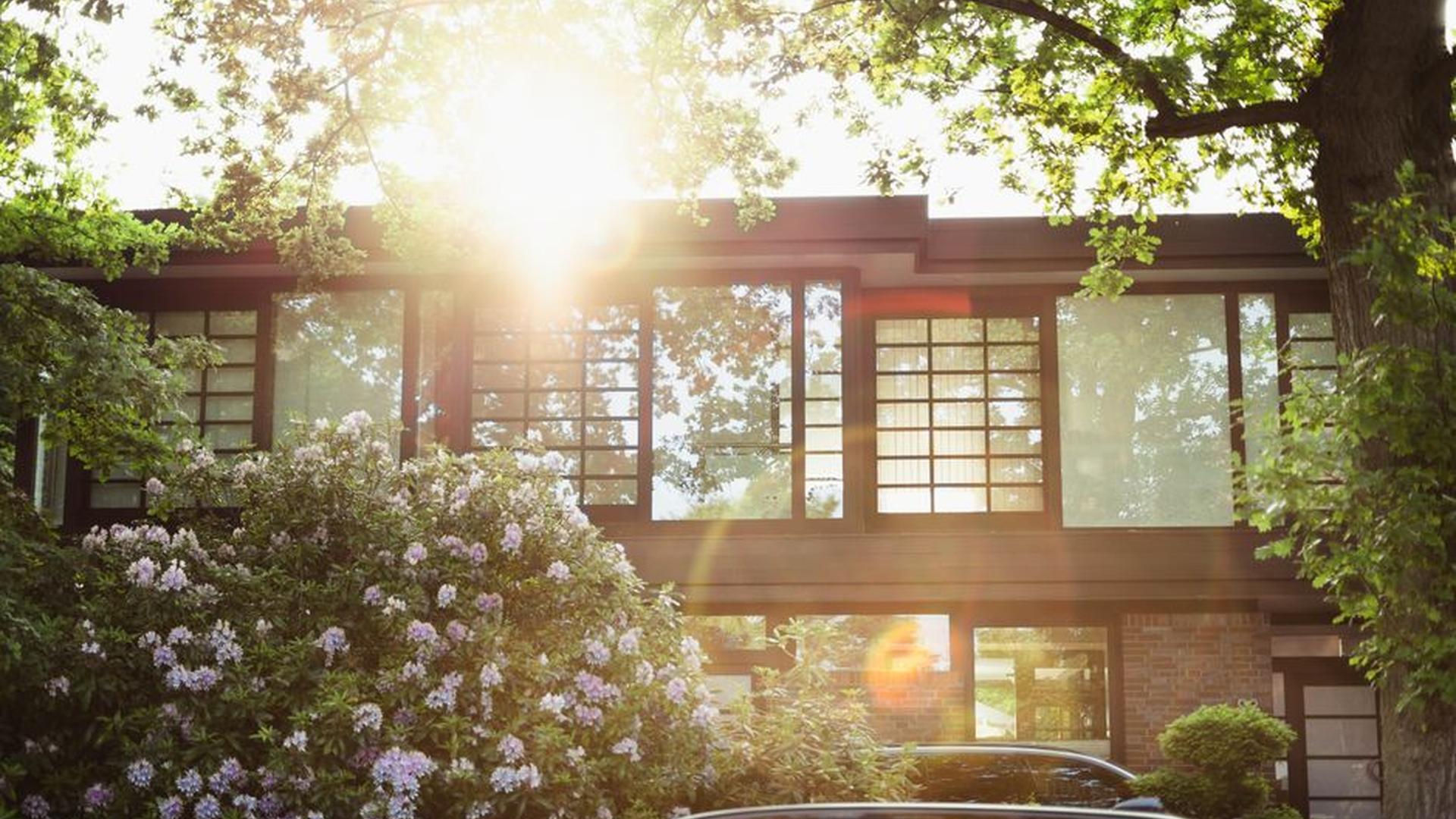
No city on Earth has poured so much creative fire into one architectural lineage as Chicago has. Architects like Frank Lloyd Wright, Ludwig Mies van der Rohe, and later, Helmut Jahn, didn’t just work here—they lived and shaped its identity. Wright’s Robie House, located in the Hyde Park neighborhood, isn’t just a house. It’s a manifesto in brick and wood, a celebration of horizontal lines, overhanging eaves, and open spaces that flow into nature. Walk inside, and you’ll feel the rhythm of the Prairie School movement, where buildings rise not to dominate the sky, but to merge with the earth.
A short walk from Robie House, the Farnsworth House, though technically in the suburbs, was designed by Mies van der Rohe and embodies a philosophy of minimalism and precision. Its steel frame, floor-to-ceiling glass, and almost invisible structure create a sense of floating—like a piece of art perched on the edge of a field. It’s not just architecture; it’s a meditation on space, light, and silence. Many visit Chicago not for the tourists’ spots, but to stand beneath this near-mythic structure and feel how much a building can say without uttering a word.
Walking the Grid: Where Every Block Tells a Story
One of the greatest joys of exploring Chicago’s architecture isn’t just seeing famous buildings—it’s stumbling upon them while walking through the city’s grid. You don’t need a tour. You can spend an afternoon just wandering down Michigan Avenue, then turning into a quiet side street and finding a 1920s Art Deco gem tucked between a coffee shop and a dry cleaner. The city’s layout rewards curiosity. The Chicago Architecture Center, located along the river, offers a small but powerful introduction, but the real magic happens when you strike out on your own.
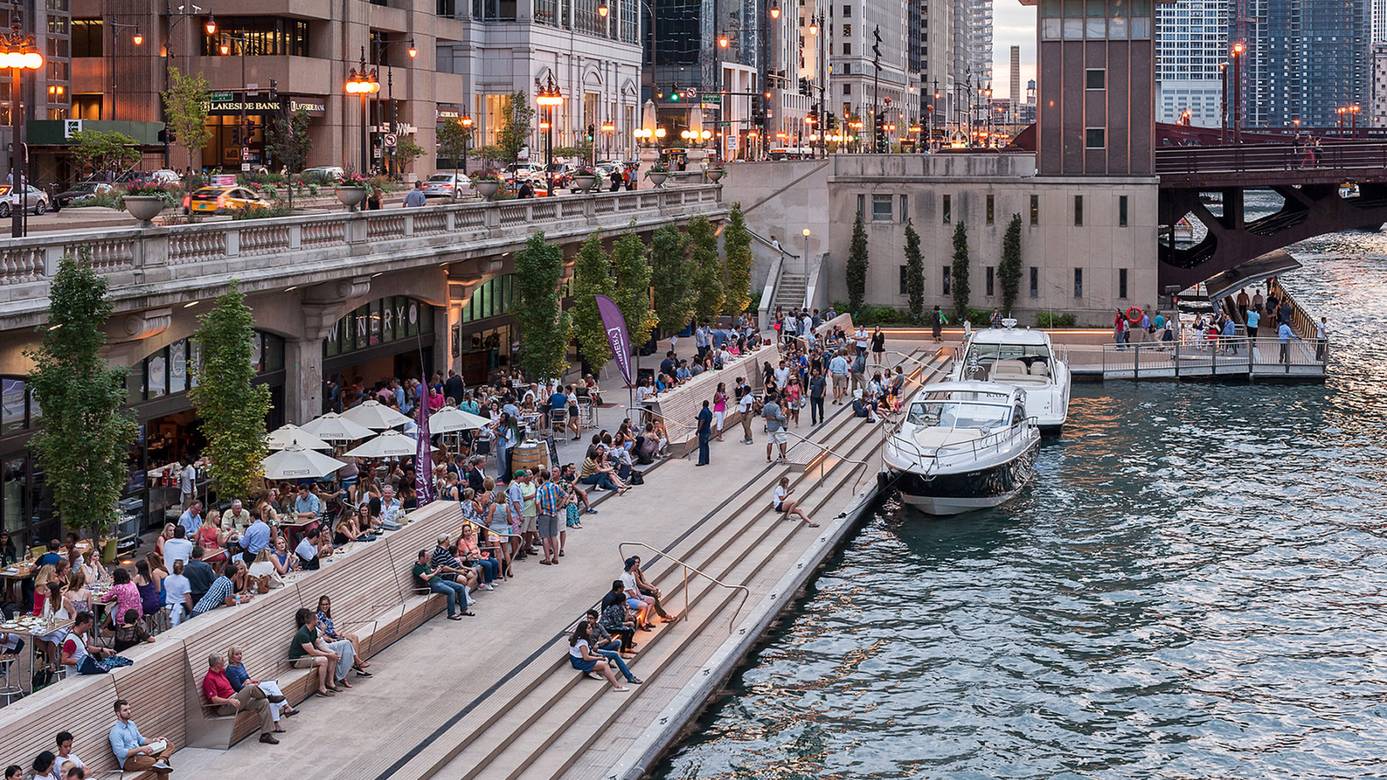
Take the Riverwalk—the city’s secret spine. Stretching for over a mile along the Chicago River, it’s not just a scenic promenade. It’s a curated street of architecture and nature. Bridges designed by modern masters, glass pavilions with dramatic reflections, and riverfront towers that shimmer as the sun hits them at 5 p.m. Every corner offers a new composition: a façade with vertical fins, a courtyard with an enclosed garden, a balcony that seems to extend into the sky. And at night, when the lights come on, the city transforms into a glowing scroll of design.
From Industrial Roots to Cultural Innovation
Chicago’s architecture wasn’t born in a studio. It emerged from fire, trade, and steel. In the late 19th century, the city was a hub for shipping, meatpacking, and railroads—the engine of a growing nation. Architects responded not with imitation, but with reinvention. They used new materials, like structural steel and reinforced concrete, to build taller, safer, and more efficient spaces. This was engineering as art, and art as engineering.
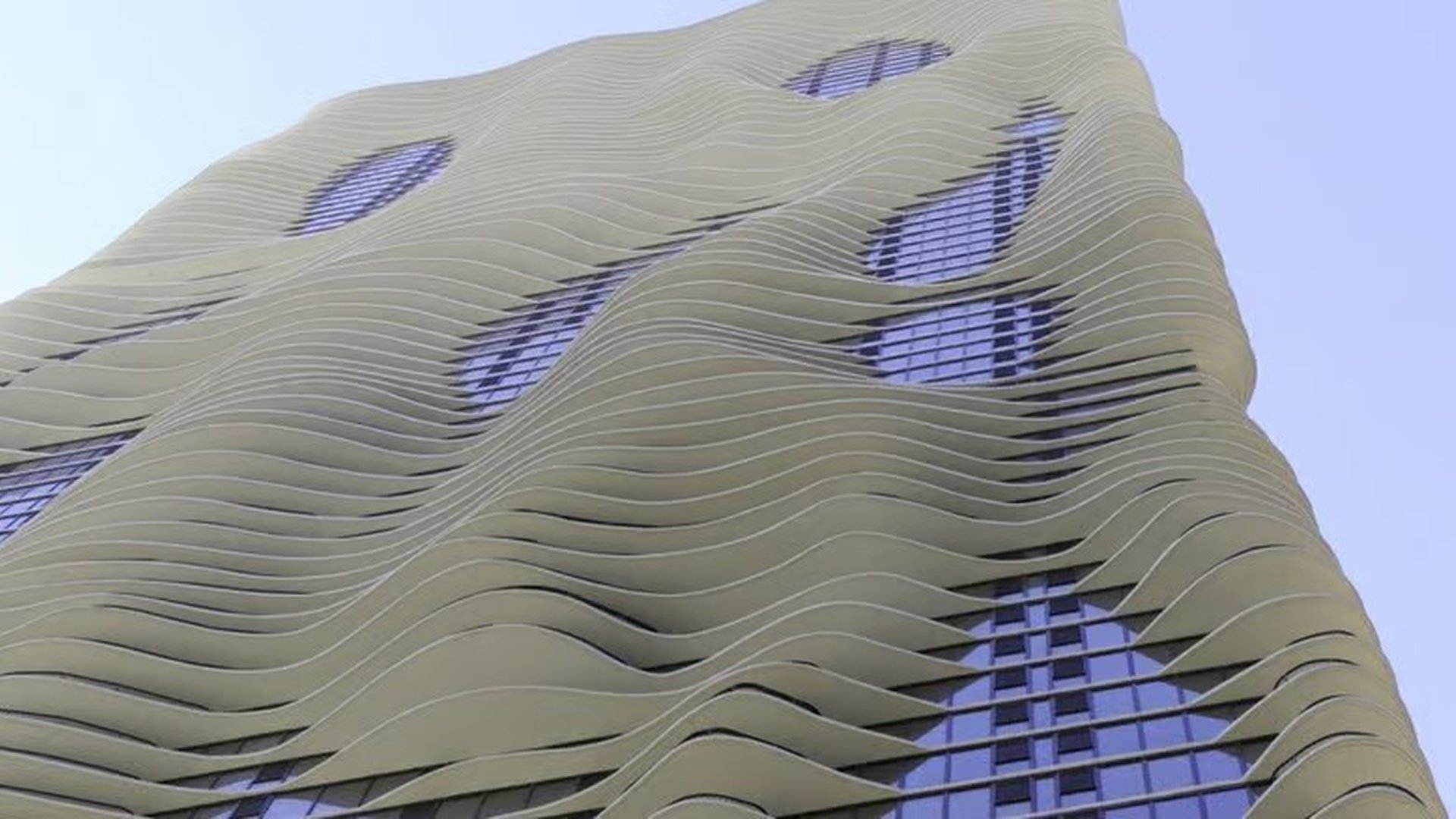
Today, that tradition continues. The Aqua Tower, with its undulating façade inspired by water, isn’t just a residential skyscraper. It’s a challenge to form, a response to weather, and a piece of public art. Its balconies aren’t just for views—they’re part of a pattern that redirects wind and softens the building’s presence. The city’s skyline isn’t just a skyline. It’s a conversation between nature, function, and beauty.
Why This Matters to Travelers Like You
If you’re planning a trip to Chicago, don’t just book a hotel and check out the views from the 360 Chicago observation deck. Go deeper. Reach for the unexpected. Take a self-guided walking tour using apps like the Chicago Architecture Foundation’s free audio guide. Stand beneath the Rookery’s dome and listen as the echo of footsteps reminds you that this space held the minds of pioneers. Visit the Presidio Building, a lesser-known piece of postmodern design, and marvel at how a modest façade becomes a celebration of texture and light.
There’s a reason architecture geeks return to Chicago again and again. It’s not just the buildings—it’s the rhythm of the city itself. When you walk down a block and see a piece of history shaped by vision and courage, you don’t just see a structure. You feel the moment it was built, the hands that shaped it, and the future it helped imagine. In a world where cities often rush toward conformity, Chicago has stayed true to its roots: a city that dares to stand tall, not just in height, but in spirit.