Why Choose an SUV for Your Global Road Trip?
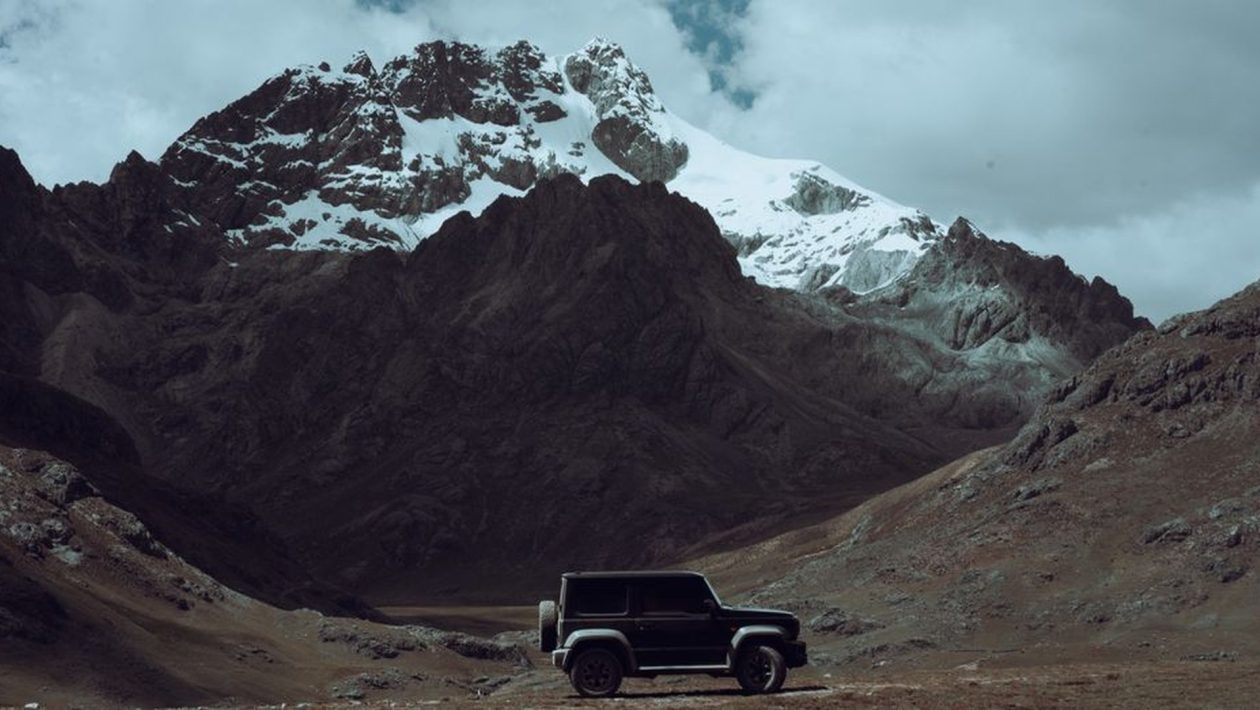
Traveling across multiple countries often means facing unpredictable terrain, shifting weather, and long stretches of winding roads. That’s exactly why many adventurers now turn to SUV rentals as their go-to vehicle for international journeys. Whether you’re navigating the rugged trails of Patagonia, driving through the remote highlands of Iceland, or cruising along the coastal roads of Portugal, an SUV offers more than just a higher seat. It brings peace of mind, enhanced safety, and the freedom to explore off the beaten path. Consider the story of Sarah, a 34-year-old teacher from Chicago who planned a six-week road trip through Spain, Portugal, and Morocco. She originally booked a compact car, but after checking weather forecasts and road conditions, she upgraded to an SUV—and it proved to be one of her smartest travel decisions.
Advantages That Go Beyond Comfort
An SUV isn’t just bigger—it’s built for real travel. Its elevated ground clearance makes it ideal for gravel roads, muddy trails, and steep inclines common in mountainous regions like the Alps or the Carpathians. In rural Romania, where unpaved roads stretch for kilometers without signage, a compact car would struggle. An SUV, however, handles uneven surfaces with confidence. Plus, with better traction and advanced four-wheel-drive systems, you’re not just driving—you’re navigating. Many international rental agencies now offer SUVs with features like hill descent control, all-weather tires, and electronic stability management, all designed to keep you safe on unfamiliar roads.
Another often-overlooked perk is cargo space. With families, ski gear, or camping equipment, you need room. An SUV’s spacious interior and large trunk (or roof rack capacity) let you pack more without compromising comfort. Imagine loading a full-size tent, a cooler full of local wines from a French market, and two mountain bikes into a single car. That’s the kind of flexibility an SUV delivers—especially when you’re crossing borders and can’t rely on last-minute storage.
Weather and Terrain: Real Challenges You Can’t Ignore
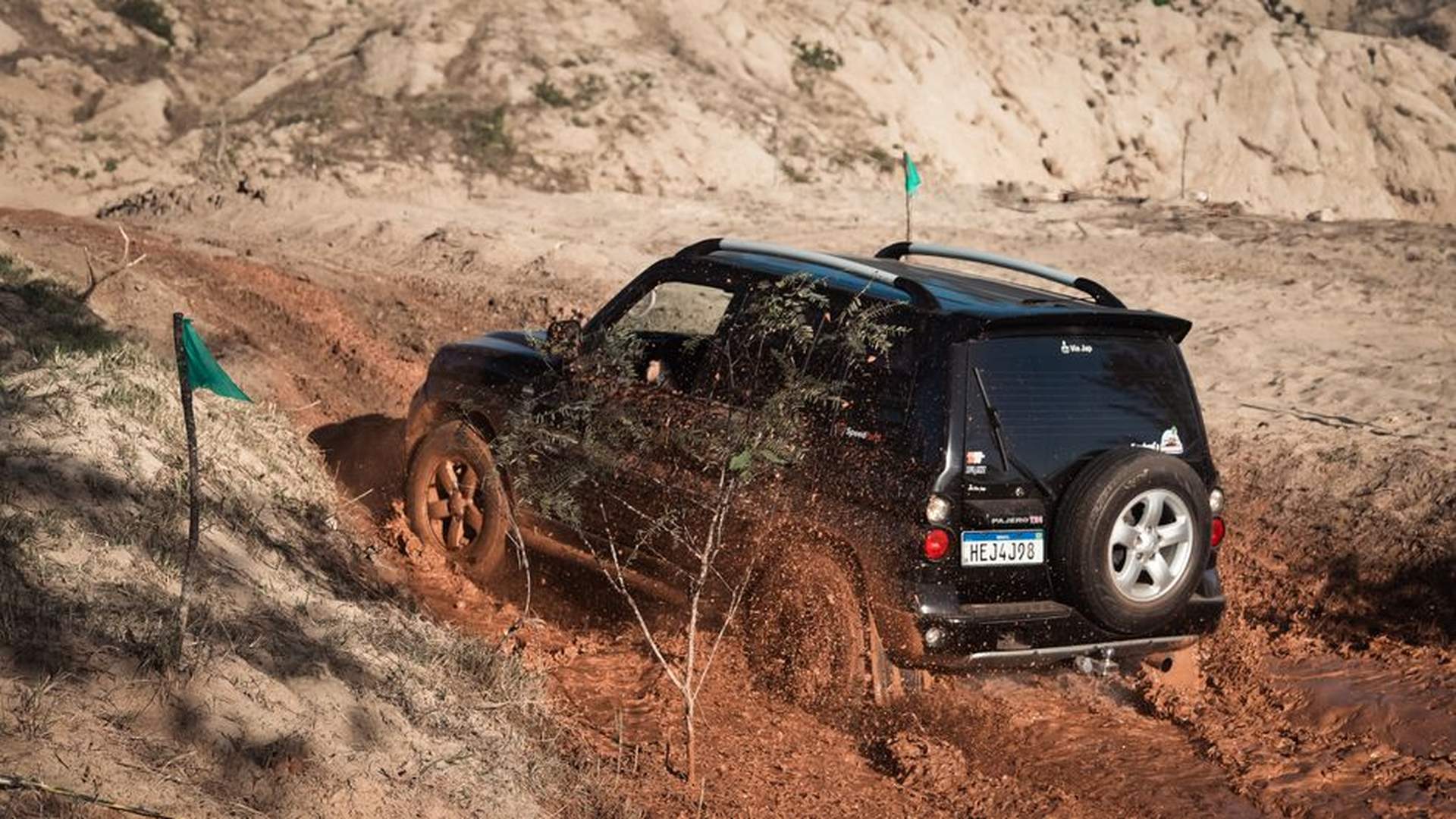
Not every road trip happens under perfect weather. Rain in the Scottish Highlands, snow in the Swiss Alps, dust storms in the Moroccan desert—these aren’t just travel stories, they’re real obstacles. A standard sedan can handle light rain, but when storms hit, rainwater pools on low-lying roads, increasing the risk of hydroplaning. An SUV offers better visibility, more tire contact with the road, and improved handling in wet or slippery conditions. It’s not just about safety—it’s about confidence.
In Morocco, where dirt roads cover over 60% of the national network, drivers who ignored the terrain paid a price. One couple from Toronto booked a small hatchback for their Sahara tour, only to get stuck on a sand-dune stretch after a heavy rain. By contrast, a traveling family from Berlin arrived in a rental SUV equipped with sand-mode tires. They not only made it through, they enjoyed an extra stop at a Berber village, thanks to their vehicle’s capability to handle the terrain.
Insurance, Rules, and the Fine Print
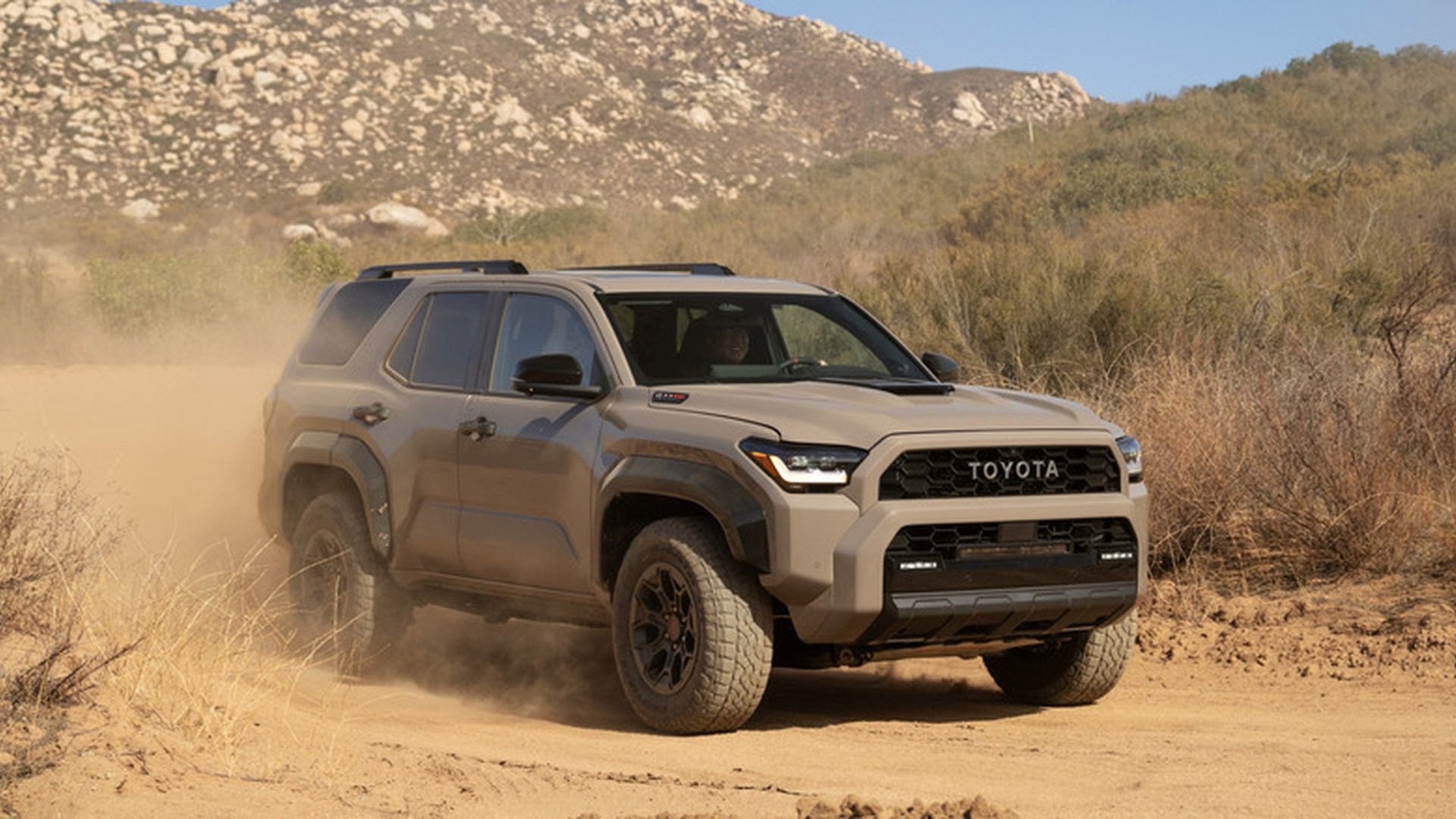
Renting an SUV isn’t just about driving—it’s about understanding the ground rules. Insurance coverage, cross-border driving policies, and local traffic laws vary widely by country. In France, for example, third-party liability insurance is mandatory and often included in the rental price. But if you plan to drive into the French Alps, higher risk zones may require an additional premium. Some providers even tie insurance to vehicle type, meaning a larger SUV might cost slightly more to insure.
Always check the terms of the rental contract. Look for details on: fuel policy (whether you must return it full), permitted countries, and what’s excluded. For instance, driving through the Italian Dolomites in winter demands a snow chain policy. Many SUV rentals include them, but not all. Avoid surprise fees by confirming everything upfront—especially if you’re crossing borders like from Austria into Slovenia.

Make It Work: Tips for a Smooth Rental Journey
Before you drive off, here’s how to make the most of your SUV rental:
– Book early, especially in peak seasons (spring and summer in Europe, winter in parts of South America). Popular models like the Ford Explorer or Toyota RAV4 sell out fast.
– Use a reputable rental agency with local expertise. Many international chains have local branches that understand regional road habits, weather patterns, and emergency services.
– Do a full walk-around inspection before driving. Note any dents, scratches, or mechanical issues. Take photos—this protects you from false damage claims later.
– Download offline maps and local emergency numbers. Even with GPS, signal drops happen in remote areas.
Final thought: Renting an SUV isn’t always necessary. If you’re only driving in urban areas or on well-maintained highways, a compact car may be more economical and easier to park. But if your journey means exploring beyond the map—into mountains, deserts, or forested backroads—then the answer to ‘Should you rent an SUV?’ is a strong yes.
As you pack your bags and plan your route, remember: the right car isn’t just about transport. It’s about the journey itself. An SUV doesn’t just get you from point A to point B. It gives you the freedom to discover what lies beyond the edge of the road.