Awakening to the Whispering Bamboo
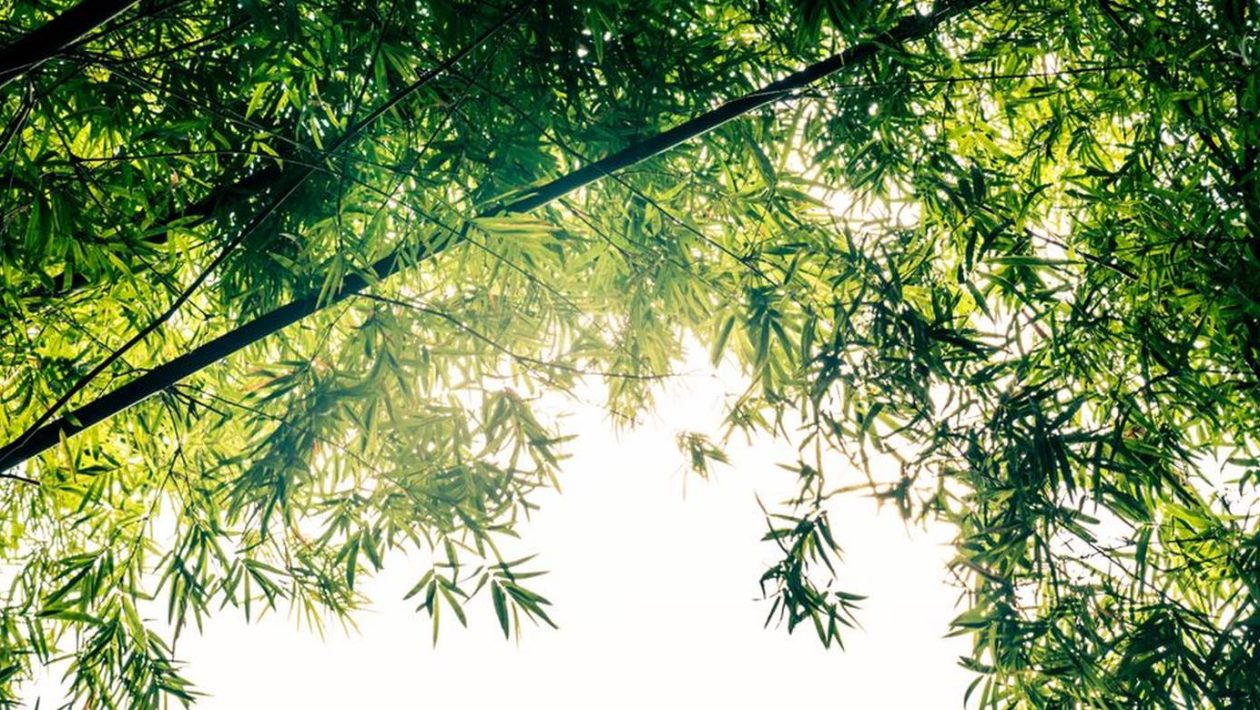
The morning light filters through a canopy of towering bamboo stalks, casting shifting green shadows across the forest floor. It’s quiet here, almost sacred—just the soft rustle of leaves and the distant hum of a train gliding through the valley. As you step into Arashiyama’s bamboo grove, the world feels hushed, as if the forest is holding its breath. The air is cool, damp with morning mist, and carries the faint scent of earth and green growth. You walk slowly, eyes lifting to the sky visible only in thin slits above. Each step feels deliberate, not just through the path but through time itself. This isn’t just a walk—it’s an immersion. The bamboo stands like ancient sentinels, their thick trunks weathered by centuries, some bent, others straight as arrows. The longer you walk, the more you sense how this place has endured—through wars, seasons, and generations of travelers who paused, as you are now, to simply breathe.
Chasing the Rails Through the Valley
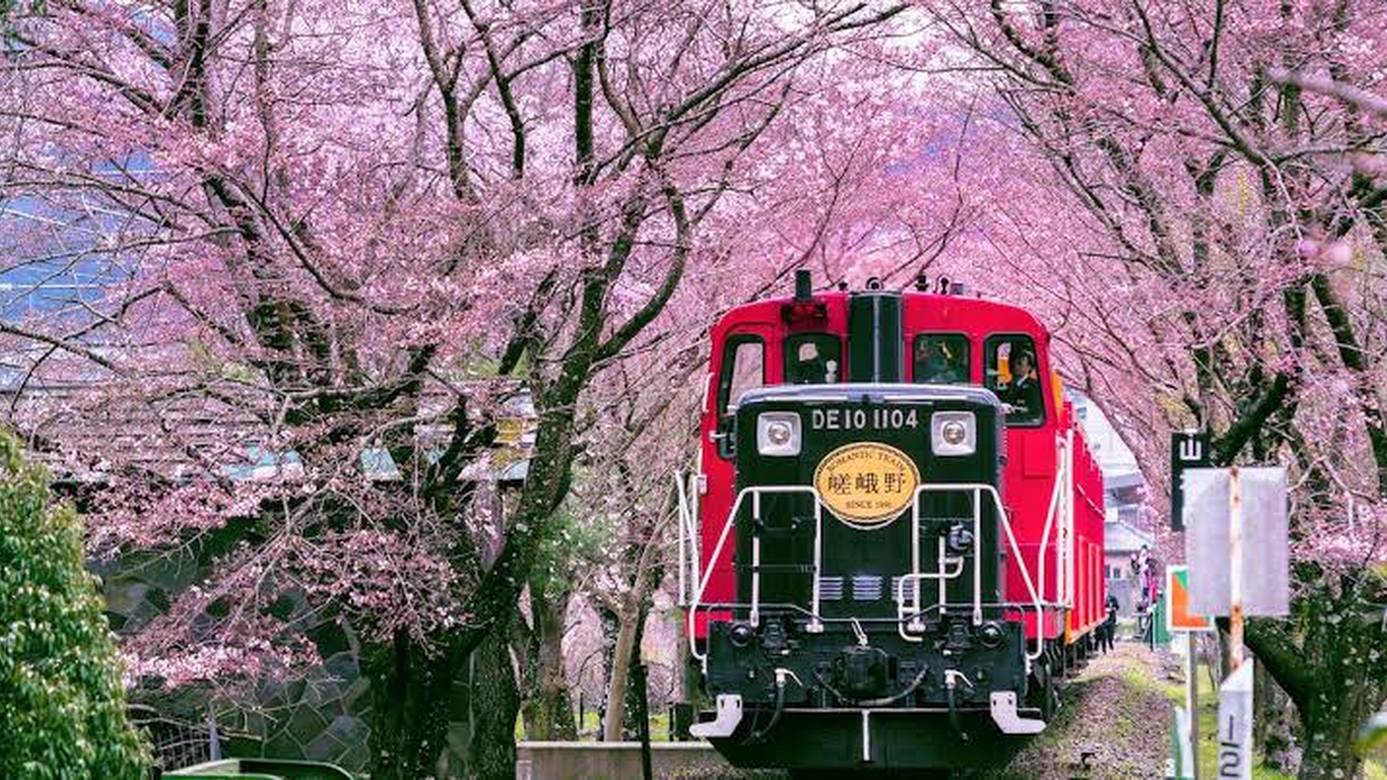
A few steps from the bamboo grove, a wooden sign points toward the Sagano Bamboo Train. You don’t need to plan much—just walk to the nearby station, buy a ticket for 180 yen, and wait. When the small, yellow-rimmed train arrives, it’s not flashy, but there’s charm in its simplicity. The ride lasts about ten minutes, but it feels like a journey through a living painting. As the train glides over wooden trestles and through mossy ravines, the view shifts constantly—sunlight dancing on leaves, the rustle of wind, and the occasional glimpse of a temple spire hidden behind hills. The conductor, a man in his 60s with a soft voice, sometimes offers a quiet greeting. No announcements. No rush. It’s not a mode of transport so much as a meditation on motion. You lean back, close your eyes, and let the gentle sway of the train carry you deeper into the rhythm of the countryside.
Where the River Meets the Sky: Togetsukyo Bridge
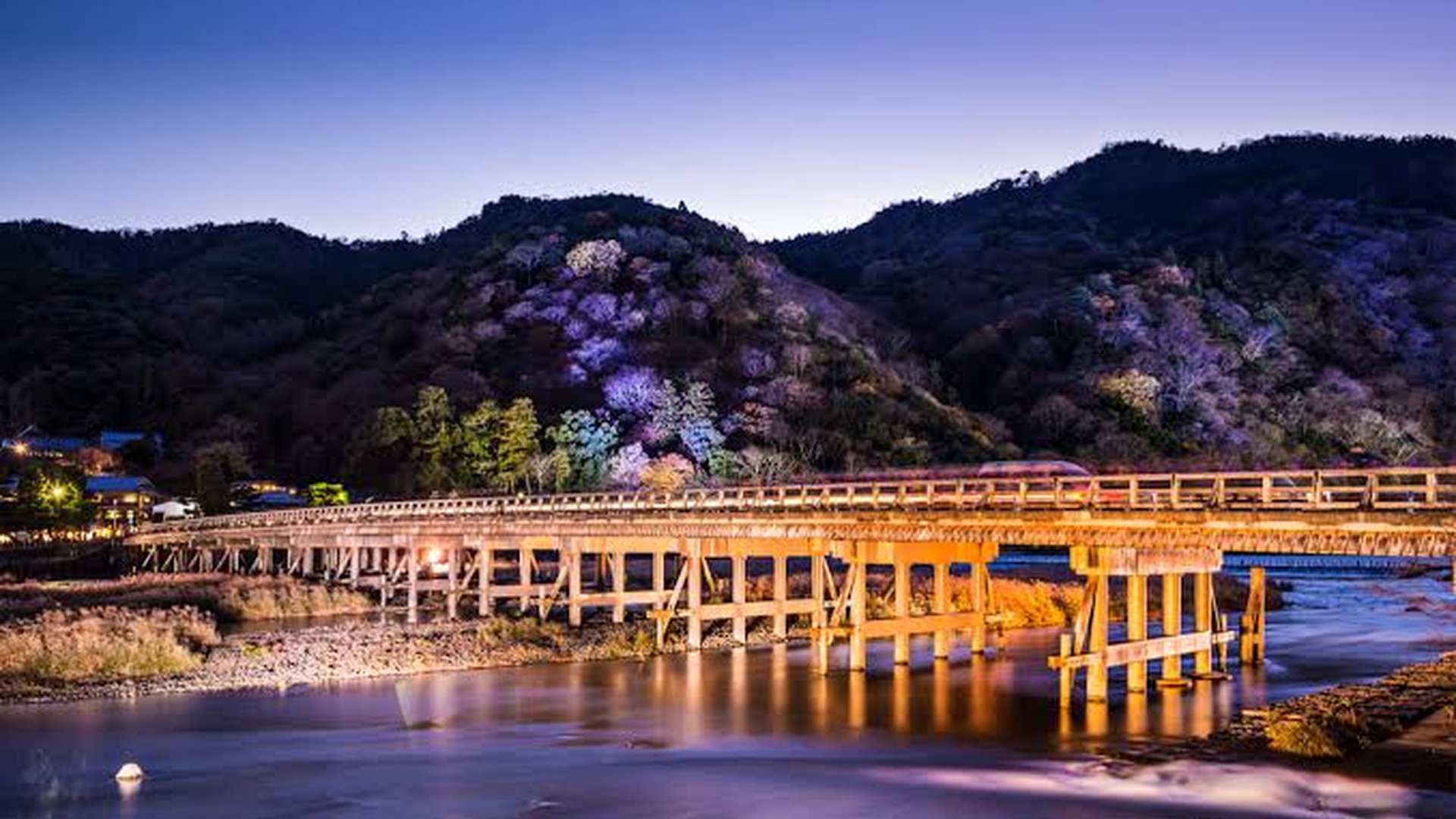
By midday, you’re at the edge of the Hozu River, where the famous Togetsukyo Bridge stretches across the water like a promise. The bridge is old—built in the 17th century, rebuilt in the 20th, but still standing with quiet dignity. As you cross, the wind picks up, carrying the sound of rushing water and the distant call of a crane. Looking downstream, you see the river slicing through stone cliffs, glinting under sunlight. On either side, cherry and maple trees frame the view, their colors shifting with the season. In autumn, the reds and golds overflow the riverbank; in spring, they’re soft and white with blossoms. But no matter the time of year, the view from the bridge feels like a postcard made real. Locals sit on the stone benches nearby, sipping green tea from paper cups, watching children skip stones across the current. It’s not just a photo op—it’s a moment to slow down, to let the scenery settle into memory. You stand at the center of the bridge, not because you have to, but because you want to. It’s the perfect pause between two experiences.
Quiet Moments, Lasting Memories
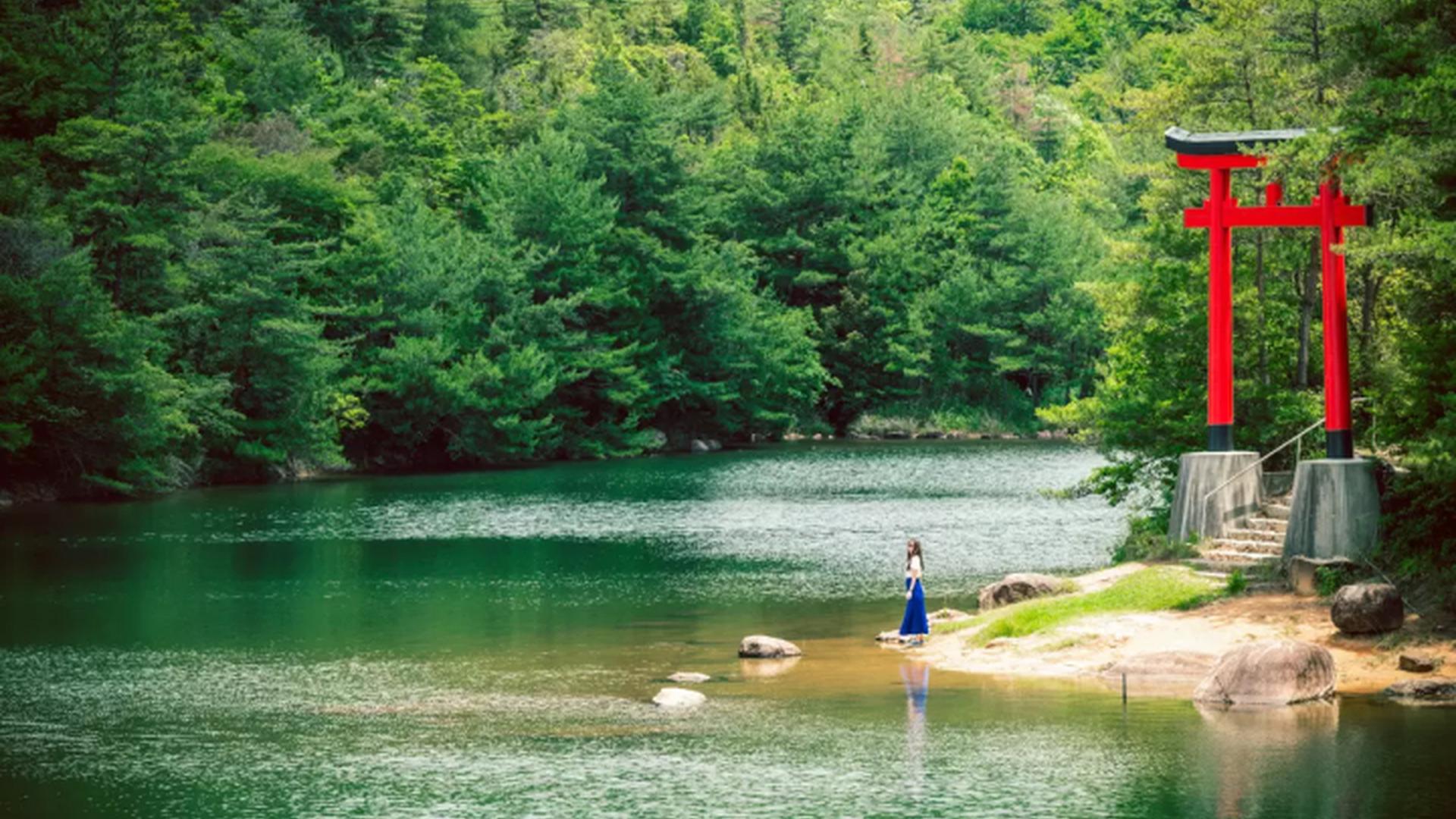
After the bridge, you walk back toward the forest, but not through the same path. Instead, you follow a narrow trail behind the Sōjōbō Temple, where few tourists go. The air grows quieter, more intimate. You pass under a torii gate, then stop at a small stone gazebo overlook the river. Here, a lone woman kneels to light a stick of incense. She doesn’t speak, doesn’t even look at you. But her stillness is powerful. It reminds you that beauty isn’t always loud. It’s sometimes in the way a candle flickers, or how the wind brushes your cheek without warning. You sit on the wooden bench for ten minutes, just watching. A heron lands on a rock. A fish jumps. The sunlight hits the water at a perfect angle. You don’t take a photo. You just let it happen.
Leaving with a Calmer Mind
As the sun begins to dip, you head back toward the station, not in a hurry but with purpose. You’ve walked through a forest that feels older than memory, ridden a train that moves like a dream, and stood on a bridge that connects earth and sky. What you’ve experienced isn’t just itinerary-based sightseeing—it’s a kind of quiet travel. The kind that doesn’t demand your attention, but offers it freely. Arashiyama isn’t about ticking boxes. It’s about presence. About hearing the rustle in the bamboo, feeling the wooden platform of the train beneath your feet, seeing the river reflect the clouds. It’s not a destination to conquer. It’s a place to arrive at. And as you board the last train home, you carry not just photos or souvenirs, but a stillness. A small piece of peace. The kind that doesn’t come from luxury. It comes from listening—and letting the world whisper back.