Understanding Your Travel Style Before You Book
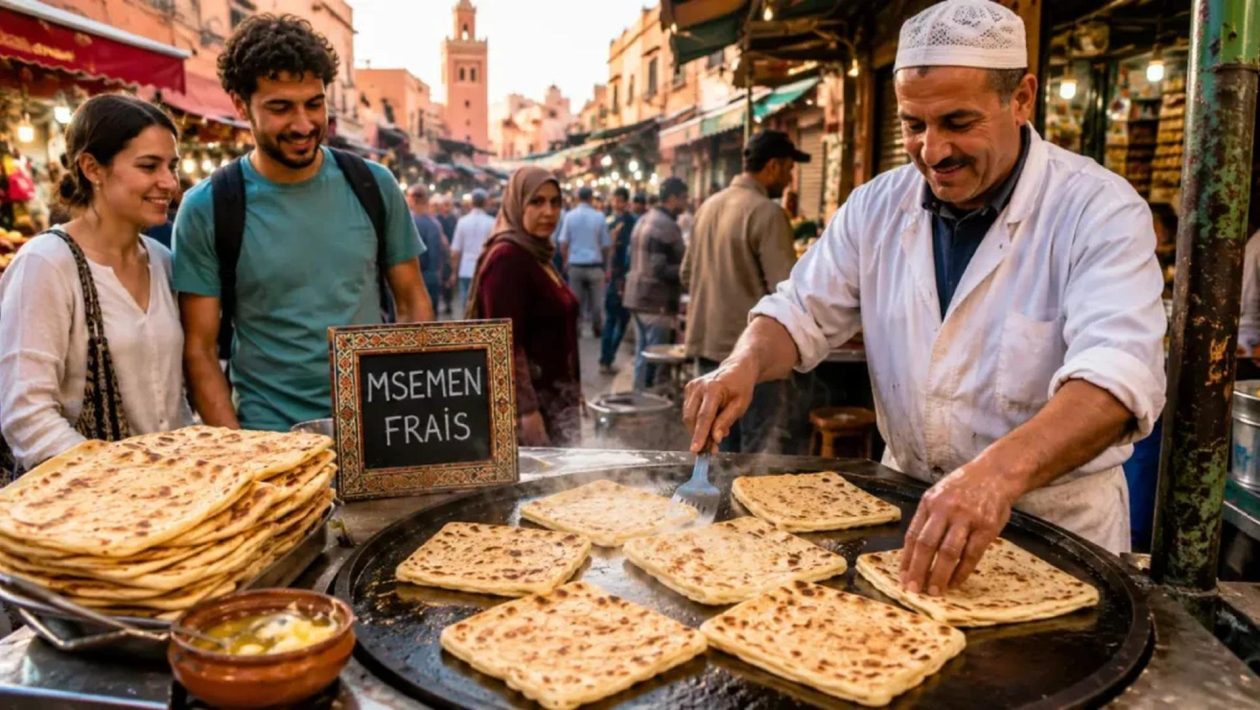
Deciding between a budget backpacking adventure and a five-star luxury retreat isn’t just about money—it’s about who you are as a traveler. Take Anna, a 32-year-old teacher from Chicago, who once spent two weeks in Morocco, sleeping in guesthouses, eating street food, and hiking through the Atlas Mountains. She loved it. But when she booked a trip to Kyoto on a tight budget, she felt drained by constant decisions: which hostel to pick, how to skip the museum fees, how to avoid tourist traps. She wasn’t just managing costs—she was managing exhaustion. That’s when she realized: it’s not about spending less or more. It’s about designing a trip that fits your energy, expectations, and travel identity. If you’re more energized by spontaneity and local connections, budget travel often gives you more of that. If you value comfort, privacy, and seamless service, luxury travel might better serve your goals. The key isn’t choosing one over the other—it’s syncing your travel style with your plans.
Smart Budget Hacks That Actually Work
Forget the old trick of booking the cheapest flight and hoping for the best. Smart budget travel isn’t about sacrifice—it’s about strategy. Consider this real example: Maya, a freelance designer from Seattle, planned a three-week journey through Portugal, Spain, and the Netherlands. She made it under $1,800 by using three proven tactics. First, she booked her flights via a lesser-known airline that flies into secondary airports (like Lisbon’s Portela instead of the main airport), saving $300. Second, she used a travel rewards app that tracked cashback on hotel stays and car rentals—she earned $110 in refunds across three stays. Third, she pre-purchased a regional rail pass that covered 90% of her intercity travel. The result? She stayed in family-run guesthouses with private bathrooms, dined in local markets, and still had enough to enjoy a private boat tour on the Douro River. The lesson? Budget travel that works feels rich, not cramped.

When Luxury Is the Practical Choice
Luxury travel isn’t just for influencers with private jets. Real luxury often means savings in time, energy, and stress. Take James, a 42-year-old project manager from Atlanta, who traveled to Japan with a budget of $4,500. Instead of scrimping on accommodations, he booked a 4-star ryokan in Kyoto with included meals and a guided tea ceremony. He paid $160 per night—$60 more than his original budget for the stay. But he gained two hours of downtime every day because he didn’t have to search for restaurants, navigate train lines, or clean his room. Over seven days, that meant he saved 14 hours of mental effort. He also avoided a $140 clinic visit he’d have needed if he’d eaten poorly due to hunger-stress from budget choices. The luxury wasn’t just the tatami mats and hot spring baths. It was the peace of mind. Luxury travel often comes down to one question: what’s your time worth? If a $50 spa treatment prevents you from getting sick, or a private transfer avoids a 90-minute delay, it’s not extravagance—it’s investment.

Blending Budget and Luxury for Maximum Impact
The most satisfying journeys often mix elements of both. Think of Sofia, a 28-year-old filmmaker from Toronto, on her first trip to Southeast Asia. She wanted to experience local life, but also had a tight deadline to edit her documentary. She used a hybrid model: she stayed in budget homestays in Luang Prabang and Chiang Mai, but reserved two nights at a boutique hotel in Siem Reap with a rooftop pool and Wi-Fi strong enough for video uploads. She walked to markets to buy food and crafts, but used a premium airport pickup service for her return to Bangkok. The result? She spent less than $2,000, yet felt refreshed and inspired daily. Her edited footage received a festival nod. The blend wasn’t random. It was intentional. Budget for access, luxury for focus. You don’t have to choose one over the other. Plan it like a film—you shoot the raw scenes on a budget, but film the key moments in high resolution.

Planning Tools That Bridge the Gap
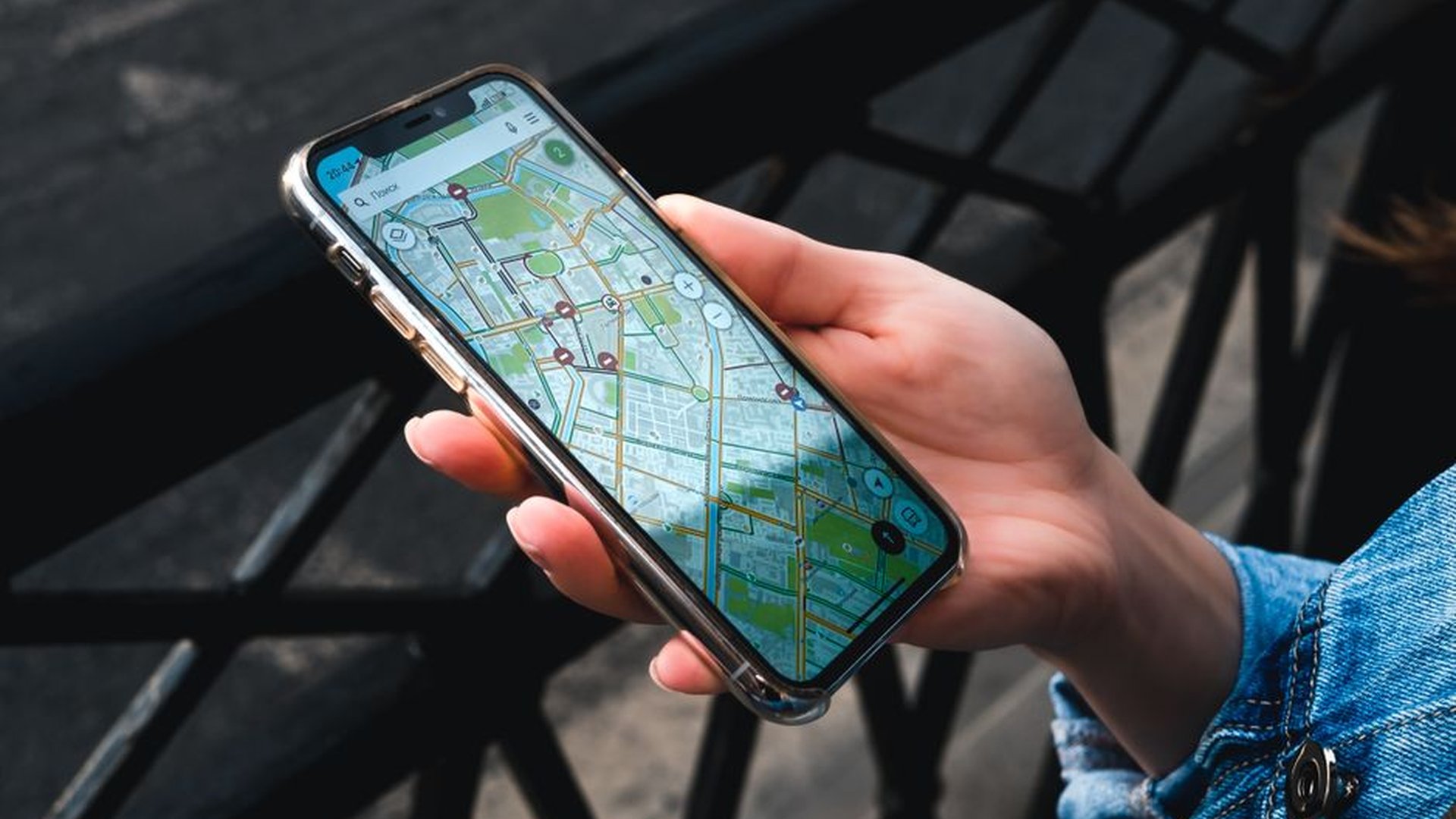
Technology is your best friend when balancing cost and comfort. Use tools that let you compare real travel experiences, not just price tags. For example, TripGPS is an app that shows real-time availability and pricing across budget and premium options for the same destination. It highlights travel trade-offs: a $90 hostel near a village temple has 4.9 stars and a free breakfast. A $320 hotel minutes away scores only 4.5 stars but offers a private balcony and 24-hour service. You see the trade-offs clearly. Another tool, TravelTide, uses AI to predict the best time to book based on weather, local events, and seasonal crowds. In Bali, booking during the dry season often means higher prices. But TravelTide found that booking three weeks in advance *during* the off-season (when the rice fields were green and tourists thinner) saved 27% and avoided crowds. These aren’t magic solutions. They’re smart systems that give you control—so you decide what to spend on, what to save on. Travel isn’t just budget vs luxury. It’s smart vs haphazard. The difference matters. With the right tools, a $2,000 trip can feel like $4,000 in value, not cost. Because you’re not just spending money—you’re investing in experiences that last.