The Heartbeat of Gothenburg: Where Water Meets Culture
Tucked along Sweden’s west coast, Gothenburg isn’t just a city—it’s a mood. As the country’s second-largest urban center, it pulses with a rhythm that blends maritime tradition, modern design, and the kind of authenticity that only Northern Europe can offer. From the moment you step onto the tree-lined boulevards near the Avenyn district, the air carries the faint scent of salt, woodsmoke, and fresh-baked rye bread. This is not a tourist postcard; it’s real life, lived slowly, thoughtfully. And at the core of it all lies the city’s waterfront—a stretch of cobblestone promenades, bustling harbor bars, and open-air markets that stretch like a living invitation to wander.
Unlike the overcrowded city centers of more famous European capitals, Gothenburg feels more like a conversation than a performance. Its charm lies in its stillness, in the way the arching bridges over the Göta River reflect in the calm surface as boats glide past. This is where the story starts—not in a museum, but in the texture of the moment.
Food as Experience: The Real Taste of Scandinavia
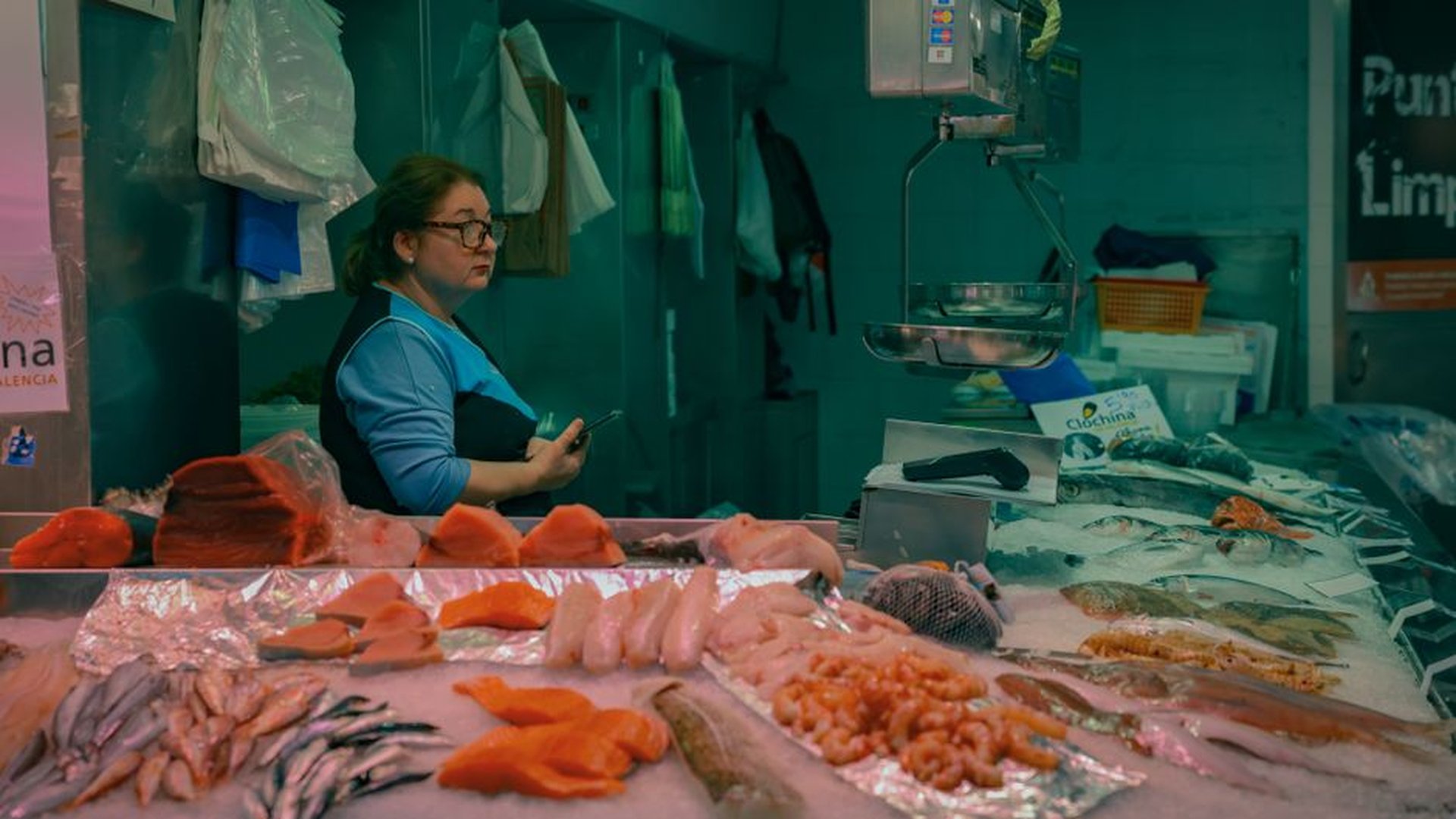
When it comes to food in Gothenburg, forget the idea that Nordic cuisine means just fish and flatbread. Yes, the city’s proximity to the sea brings in plenty of fresh herring, salmon, and shellfish—but the real magic happens in the details. It’s in the way a local vendor at the Kulturhuset market wraps a roll of smoked eel in parchment paper, letting the crisp edges crackle under your fingers. It’s in the warmth of a canteen at the Volvo Museum, where a mother explains to her child why the traditional meatballs are made with a mix of beef and pork—”because that’s how we’ve always done it, and it tastes right.”
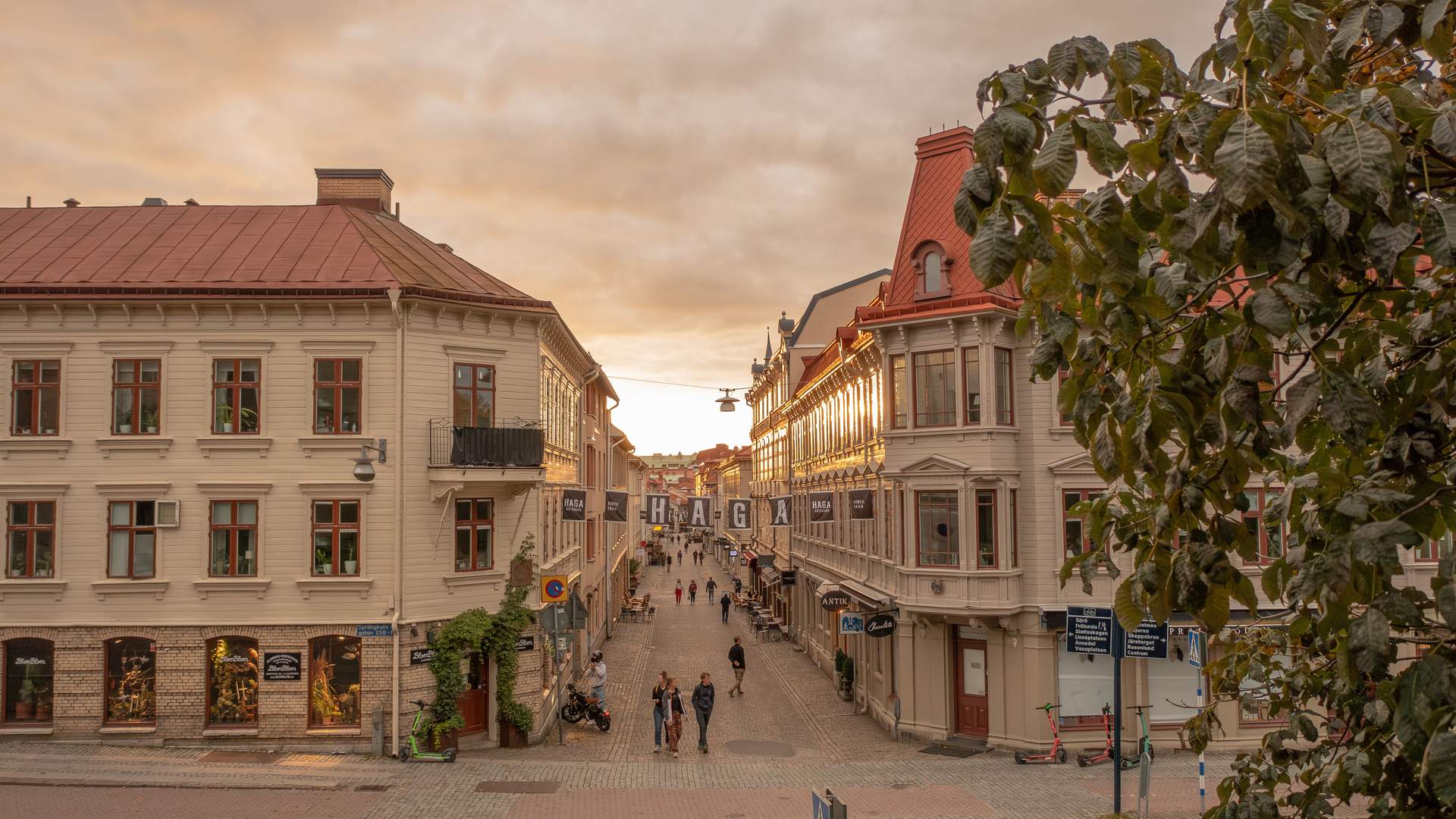
The city’s culinary soul is best felt at the Haga district, where cobbled alleys lead to hidden bistros serving reindeer tartare and cloud-soft cardamom buns. But the most authentic taste of Gothenburg isn’t served on a plate—it’s served at the harbor stalls during summer. Picture this: a wooden pier littered with plastic chairs, a man in a flannel shirt grilling Arctic char over an open flame, the sound of waves lapping against battered wooden pilings. You order a side of fermented herring, a glass of local elderflower cider, and a piece of sourdough rye bread. The first bite? A jolt of brine, smoke, sweetness. It’s not refined. It’s not perfect. And that’s exactly why it’s unforgettable.
A Walk Along the Water: More Than Just a View
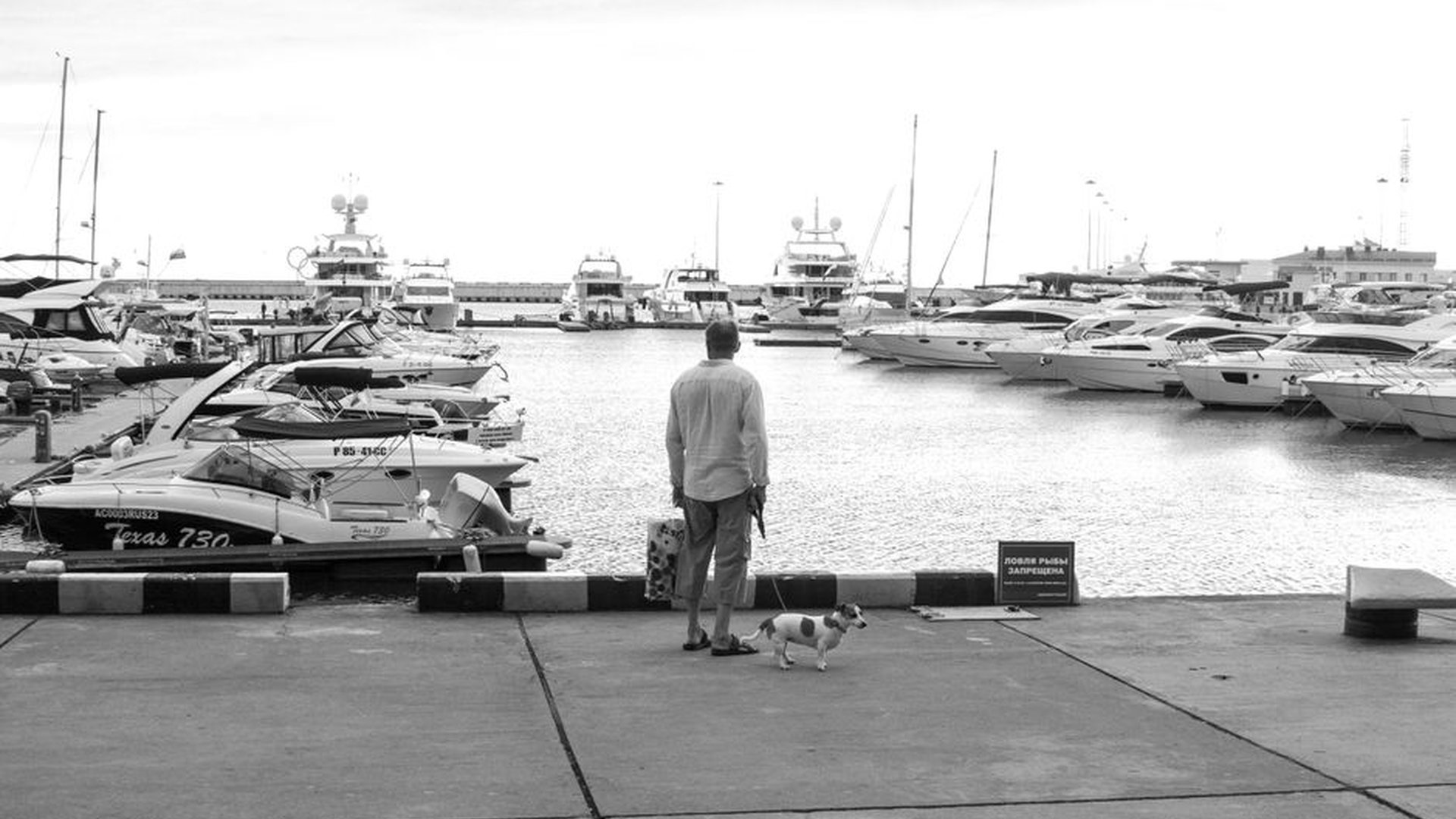
The Gothenburg waterfront isn’t just picturesque—it’s interactive. Unlike the sterile gallery walkways of other cities, this one moves with you. In the morning, retirees walk dogs along the dock opposite the old shipyard, where rusted cranes still stand like ancient sentinels. By midday, the waterfront buzzes with university students, backpackers, and local artists setting up easels in the sunlight. In the evening, the area transforms into an open-air stage: musicians play folk songs on fiddles, couples linger near streetlamps glowing amber, and the rhythm of the tide matches the beat of a distant drum.
One moment that will stick with you: walking west along the Kungsportsvaktan (King’s Gate Quay), where the sun dips below the silhouette of the city’s skyline and glistens across a glassy river. You pass a small wooden booth selling reindeer sausage and butter cookies, then pause at a bench where an elderly man reads a poetry book aloud to a small crowd. There’s no script, no organizer—just people, the water, and the quiet beauty of a moment that feels unplanned, yet perfectly composed.
Why Gothenburg Feels Different—And Why You Should Visit
What sets Gothenburg apart from other Northern European cities isn’t just its food or its view. It’s the sense of presence—of being in a place without wanting to leave. The city’s success lies in its balance: modern and old, open and intimate, natural and crafted. In a world that often feels rushed and digital, Gothenburg offers something rare: a chance to slow down.
Even the architecture tells a story. The city’s 18th-century buildings, many converted into cafes and design studios, reflect a philosophy of reuse and respect. The new buildings—like the Otterdalen walkway or the new cultural center near the tram line—don’t dominate. They nestle into the landscape, like a thoughtful addition to a family kitchen.
And here’s something most travel guides don’t tell you: the people. Gothenburg residents aren’t performative. They wear flannel, speak slowly, and if you ask for directions, they’ll walk three blocks out of their way to point you to the right bus stop. They don’t rush. They don’t need to impress. And that’s what makes the experience so satisfying—it’s not about checking boxes. It’s about feeling.
Planning Your Gothenburg Day: A Real-Life Itinerary
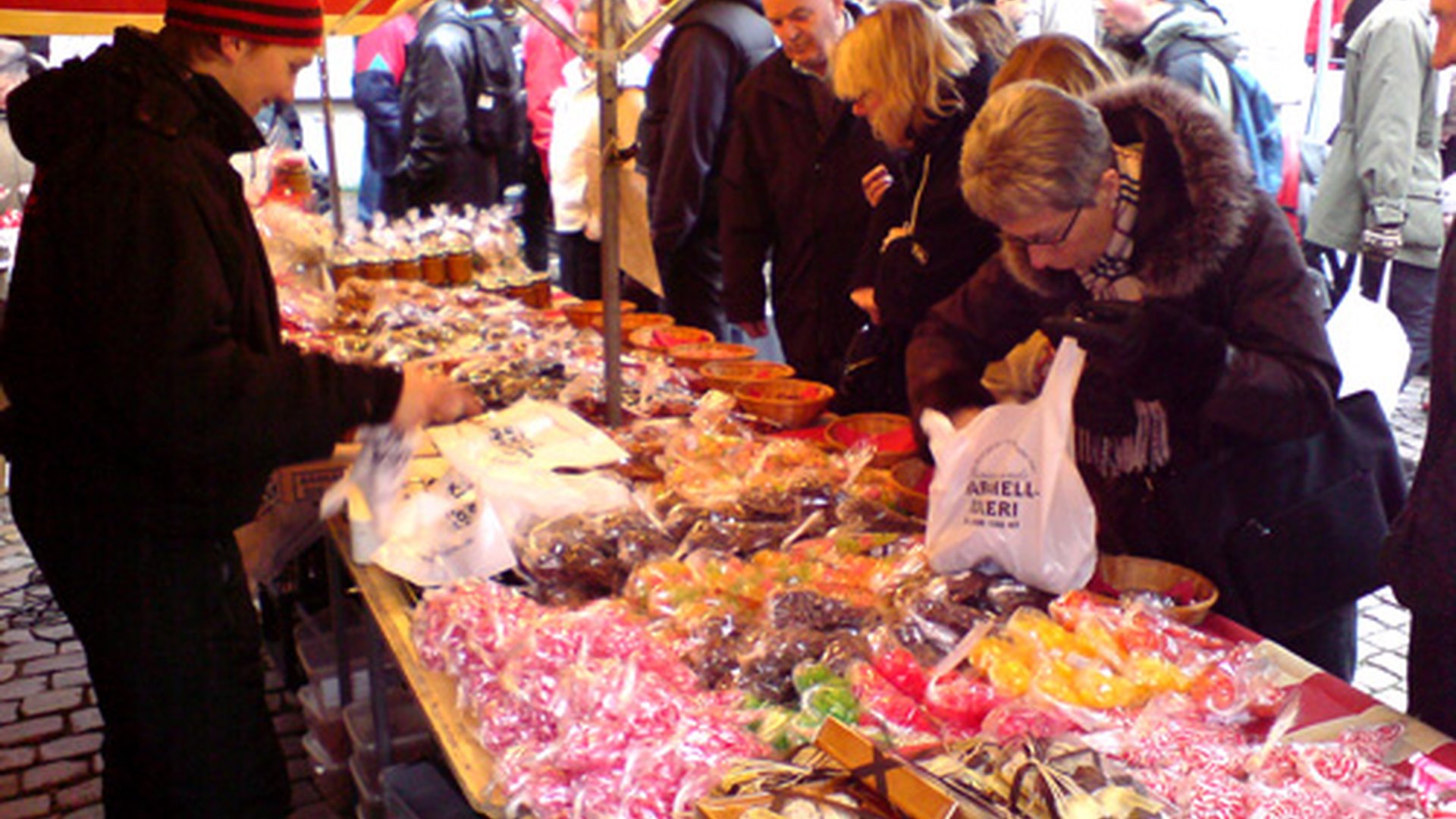
Start at 9 a.m. in the city’s coastal district. Begin your journey at the Haga Market, where fresh lingonberries, local cheeses, and the famous “Göteborgs Kaka” (a chocolate-covered jellied candy) are sold in paper cones. Grab a hot cinnamon roll from a vendor with no sign, just a wood-fired oven and a smile.
Head to the waterfront by 11 a.m. Walk along the harbor path past the old fish market, now a mix of bars and art studios. Stop at one of the many reclaimed wooden docks, pop a bottle of Skåne cider, and eat a piece of smoked trout on rye. Around noon, visit the Gothenburg Museum of Art—don’t miss the Nordic design wing, where you can see how Swedish minimalism isn’t cold, but warm, grounded in nature and human touch.
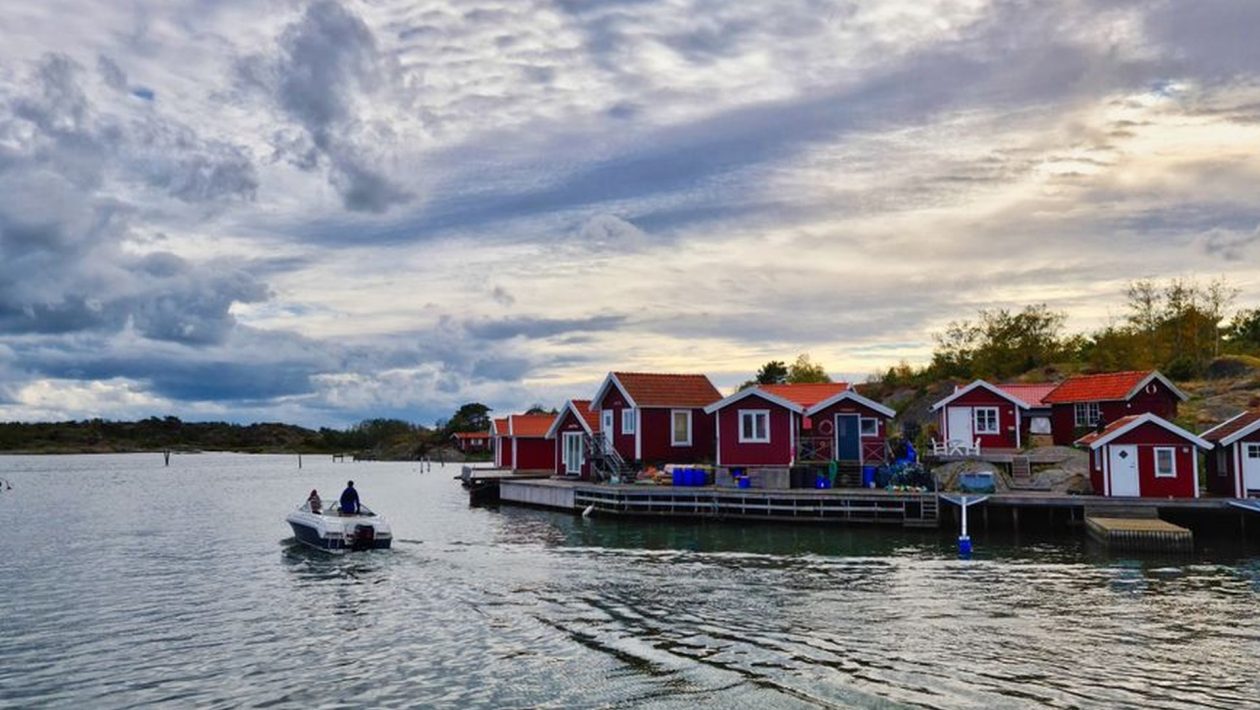
In the late afternoon, take a short boat ride across the inner harbor. The view from the water is different—more intimate, more layered. You’ll see the city not as a series of facades, but as a living system of bridges, trees, and boats, drifting in sync with the tides.
End your day at a small, family-run restaurant in the Korsvägen neighborhood. Order the “fish of the day” with dill potatoes and a glass of local elderflower gin. As the sun sets, the air cools, and the reflections from the harbor shimmer across the table. No grand speeches. No tourist traps. Just you, the water, and the quiet truth that travel isn’t just about seeing new places—it’s about remembering how to feel.