First Time Abroad? Plan Smart with These Tips
Embarking on your first international journey is both thrilling and overwhelming. The world opens up with endless possibilities—lush jungles, ancient cities, bustling markets, and sun-kissed beaches. But without proper planning, even the most exciting trips can turn stressful. Whether you’re dreaming of wandering through Kyoto’s cherry blossoms or getting lost in the winding alleys of Marrakech, smart preparation makes all the difference. This guide breaks down how to plan your first international trip with confidence, clarity, and real-world wisdom.
Start with Clear Goals
Before you book a flight, ask yourself: What do I want from this trip? Is it cultural immersion? Relaxation on a tropical beach? Adventure hiking in the Andes? Your answer shapes everything—from destination choice to packing decisions. For example, a couple planning a romantic getaway to Portugal might focus on cozy wine bars in Lisbon and seaside villages in the Algarve. Meanwhile, a solo traveler seeking adrenaline might prioritize mountain treks in Nepal. Write down three main goals. That simple step sharpens your planning focus and prevents decision fatigue.
Choose Your Destination Wisely
Not all international destinations are created equal for first-timers. Look for places with reliable infrastructure, English-speaking locals, stable political climates, and ease of travel logistics. Japan, for instance, offers a perfect balance: excellent public transport, low crime rates, and a culture that values hospitality. A visit to Kyoto, with its thousand-year-old temples and serene gardens, feels peaceful and safe. Meanwhile, a solo female traveler just beginning to explore beyond her home country might find Morocco welcoming—especially in cities like Fes or Marrakech, where guided tours, local homestays, and female-friendly hospitality programs are common.
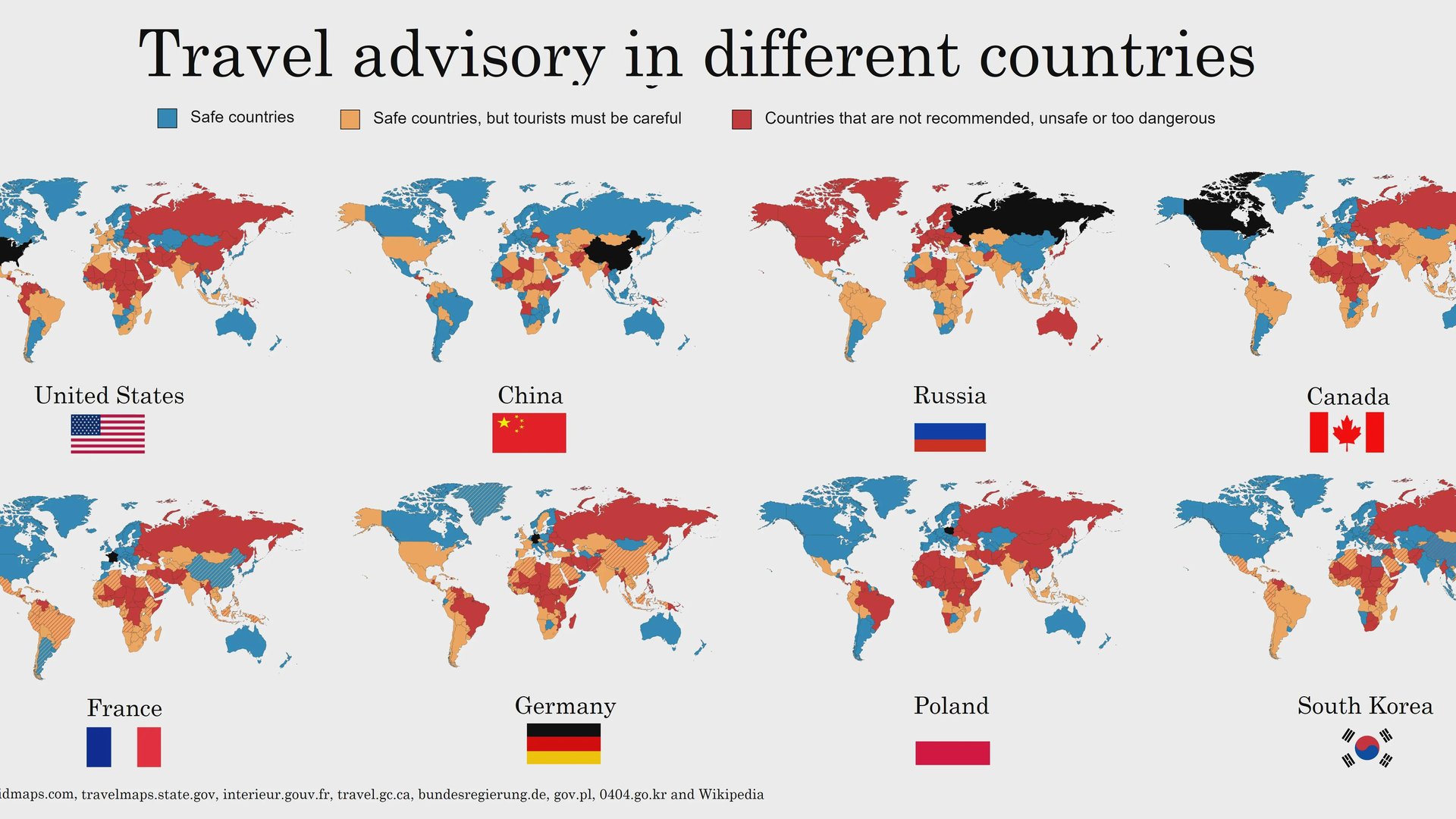
Avoid destinations with complex visa processes, frequent border closures, or significant language barriers unless you’re prepared for challenges. Check official government travel advisories and forums like Reddit’s r/travel or StackExchange for firsthand insights. These resources often highlight issues that aren’t visible in glossy travel brochures.
Master the Visa and Health Requirements
One of the most common oversights? Ignoring visa rules. Some countries grant visas on arrival, others require you to apply in advance—and some don’t allow entry at all for tourists. For example, Turkey lets U.S. passport holders apply for an e-Visa online in under 20 minutes, while Vietnam requires a pre-approved visa letter. Start your research at least three months before departure.
Health is equally critical. Check if your destination has common health risks—dengue in Southeast Asia, altitude sickness in the Himalayas, or foodborne illness in regions with less regulated food handling. Get vaccinated well in advance, carry a basic travel health kit, and download offline medical guides on your phone. In 2023, a traveler visiting Ecuador packed a small bottle of oral rehydration salts and survived a severe stomach bug in the Andes—proof that preparation saves more than just money.
Build a Realistic Budget, Not a Dream One
Many first-timers underestimate travel costs. They dream of staying in luxury boutique hotels and dining at top-rated restaurants—only to face budget shocks halfway through. The solution? Create a detailed, itemized budget using real data. Use tools like Numbeo, Skyscanner, or local travel blogs to estimate daily spending on accommodation, food, transport, and activities.
For instance, a budget for a 14-day trip to Portugal might include: $1,200 for flights, $700 for accommodation (mixing hostels and mid-range hotels), $300 for meals and local transport, and $200 for guided tours and entry fees. That’s $2,400 total—far from the $500 fantasy budget some imagine. Track every expense with an app like Mint or a simple spreadsheet. You’ll be surprised how much a single espresso in a Parisian café adds up after a week.

Prepare for the Unexpected
Even the best-laid plans can go sideways. Delays, lost luggage, sudden weather changes—these aren’t rare, they’re routine. The key? Build flexibility into your schedule. Avoid booking back-to-back tours or tightly packed itineraries. Instead, leave 2–3 hours free each day for spontaneity.
Pack wisely, too. Bring a lightweight travel towel, a universal power adapter, and a compact travel umbrella. Most important: carry digital and physical copies of all key documents—passport, visa, insurance, flight details. Store them in encrypted cloud folders and put a printed set in your toiletry bag.
In 2022, a family visiting Thailand had their luggage lost for three days. They were stranded in Bangkok, but thanks to a pre-packed emergency kit with a change of clothes, toothbrush, and local SIM card, they stayed calm and even explored the city that way. Their story reminds us: flexibility isn’t just smart—it’s survival.
Respect Culture, Connect Meaningfully
Traveling abroad isn’t just about checking off landmarks. It’s about connecting with people and places on a deeper level. Research local customs before you go. In Japan, bowing is a sign of respect. In Morocco, removing shoes before entering a home is expected. In India, touching someone’s head is considered offensive.
Learn a few key phrases in the local language—“Hello,” “Thank you,” and “Where is the restroom?” go a long way. A simple “Namaste” in India or “Shukran” (thank you) in Arabic earns trust and warmth. When you show effort, locals respond with openness. I once met a grandmother in Oaxaca, Mexico, who taught me how to make tortillas after I tried her native Zapotec greeting. She said, “You came not to take, but to learn—so you stay.” That moment stayed with me longer than any museum visit.
Planning your first international trip isn’t about perfection. It’s about preparation, curiosity, and courage. Follow these tips, stay open-minded, and trust the journey. The world isn’t waiting to be seen—it’s waiting to be felt. And once you step off that plane, you’ll realize: the adventure isn’t just in the places you visit. It’s in the person you become along the way.