The Heart of the Cotswolds: A Village That Feels Like a Postcard
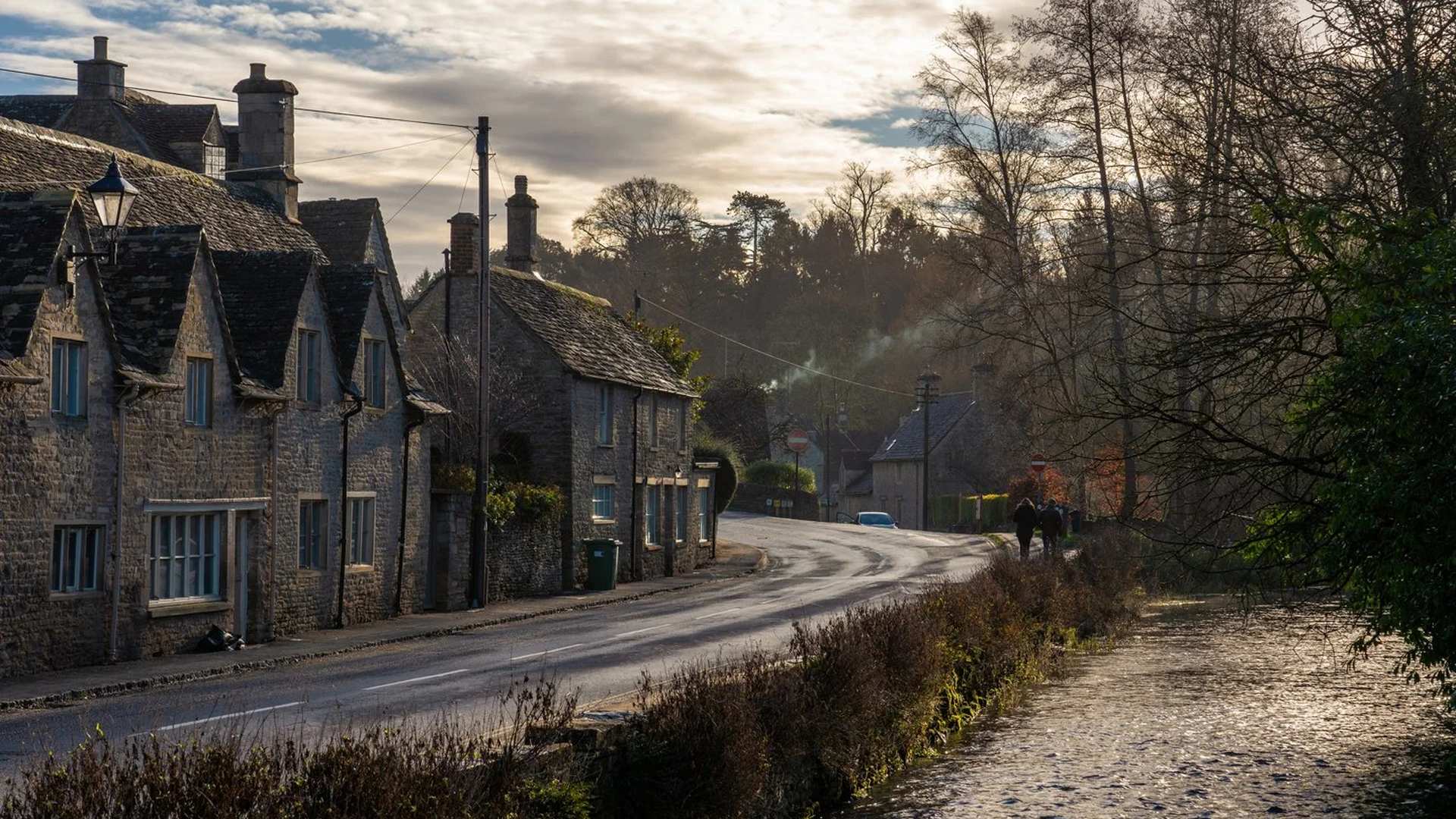
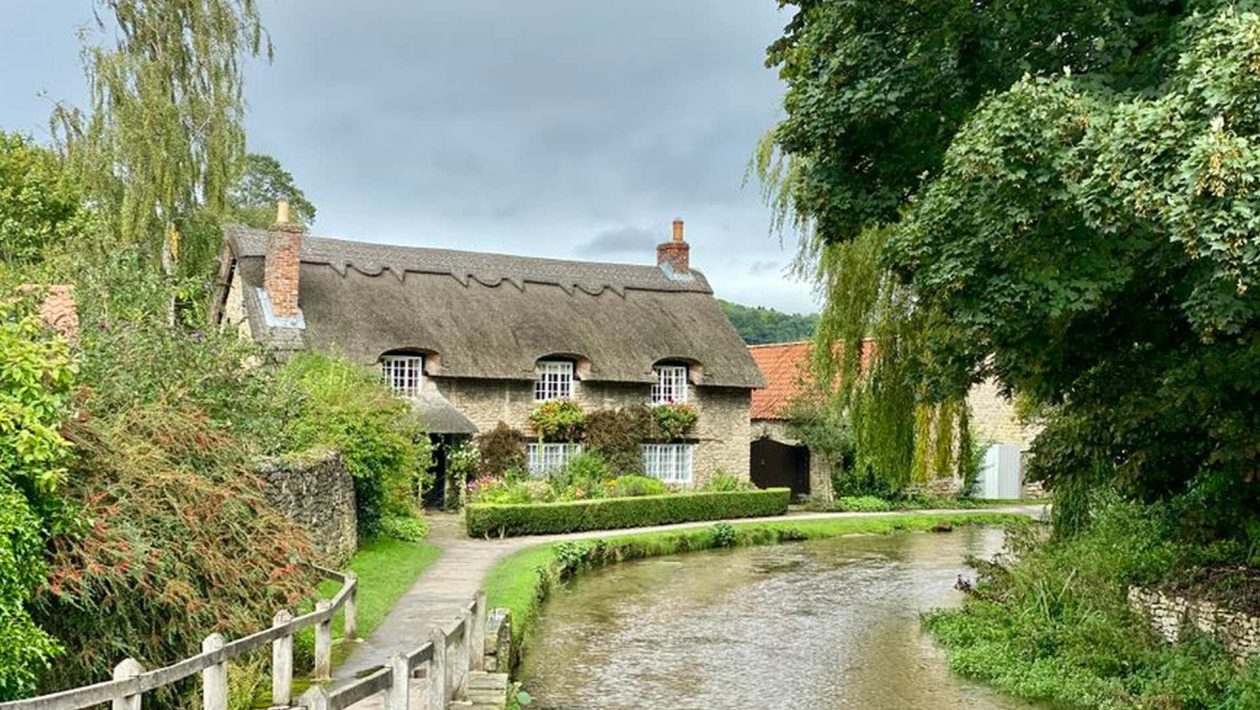
Tucked away in the heart of the Cotswolds, just a stone’s throw from the bustling cities of Oxford and Bath, lies a village that time seems to have gently skipped. Bibury Village isn’t on every tourist’s map, but for those who wander off the beaten path, it’s a revelation. As you approach along the narrow, winding lanes of Gloucestershire, the first sight is not a grand castle or a famous landmark—no, it’s the gentle curve of a river, the soft rustle of willow trees, and the golden facade of a row of ancient stone cottages huddled along the River Coln. These aren’t just pretty buildings. They’re living pieces of English history, crafted from local honey-colored stone, weathered by centuries of rain and sun.
It’s easy to think you’ve stepped into a vintage travel brochure. But what makes Bibury so special isn’t just its photogenic beauty. It’s how untouched it feels. Unlike other Cotswold towns that have adapted to tourism with cafes, souvenir shops, and guided tours, Bibury remains unbothered. The locals still tend to their gardens, walk their dogs, and stop to chat at the village green. This isn’t a stage set—it’s a real place, breathing with quiet dignity.
What Makes Bibury’s Architecture So Remarkable?
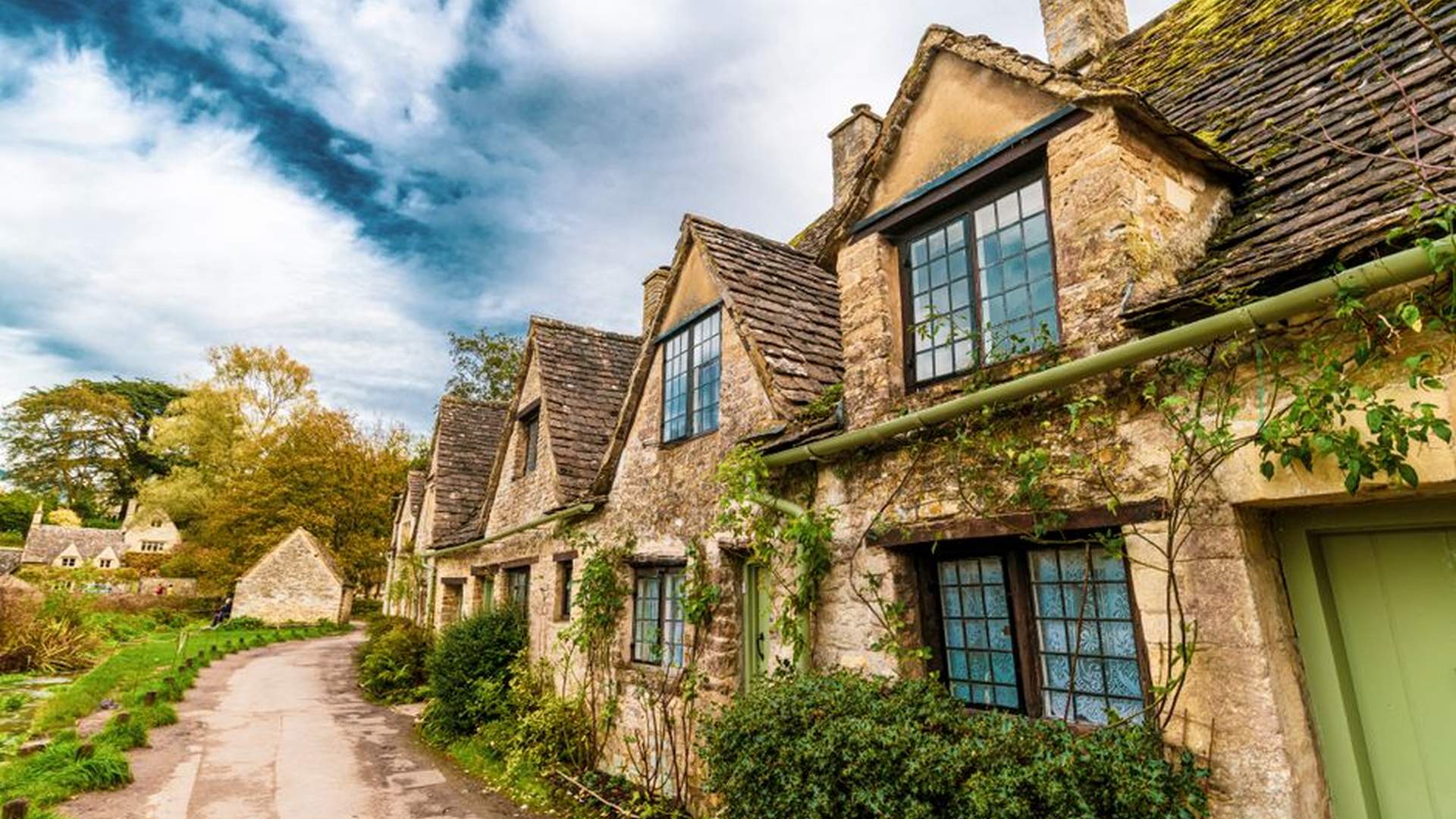
The soul of Bibury lies in its architecture. Most famous is Arlington Row, a row of ten 17th-century cottages connected by a single wall. These buildings aren’t just old—they’re architectural poetry. Their steeply pitched roofs, mullioned windows, and the way the stone glows in afternoon light make them look like they were drawn by a painter’s brush. But here’s what few visitors realize: the cottages were built not as homes for the wealthy, but for wool workers during the medieval period. Their simple, functional design shows how beauty and utility could coexist in a single structure.
The secret to their enduring charm? Local stone, hand-laid with precision. Every block was quarried nearby, shaped by hand, and stacked without modern cement. The result is a structure that breathes—allowing moisture to escape, preventing mold, and keeping the interior dry. This isn’t just tradition. It’s smart engineering. Today, visitors walk under their timber-framed arches and feel the cool air of centuries past. It’s not just a view. It’s a tactile experience.
Walk the River Path: Where Nature and History Walk Hand in Hand
Few spots in England offer such a seamless blend of nature and heritage as the footpath along the River Coln. A short 20-minute walk from the heart of the village, this trail follows the meandering stream as it cuts through meadows and ancient hedgerows. In spring, wildflowers burst across the banks—bluebells, cowslips, and the occasional foxglove. In summer, dragonflies dart above the water, and birdsong fills the air.
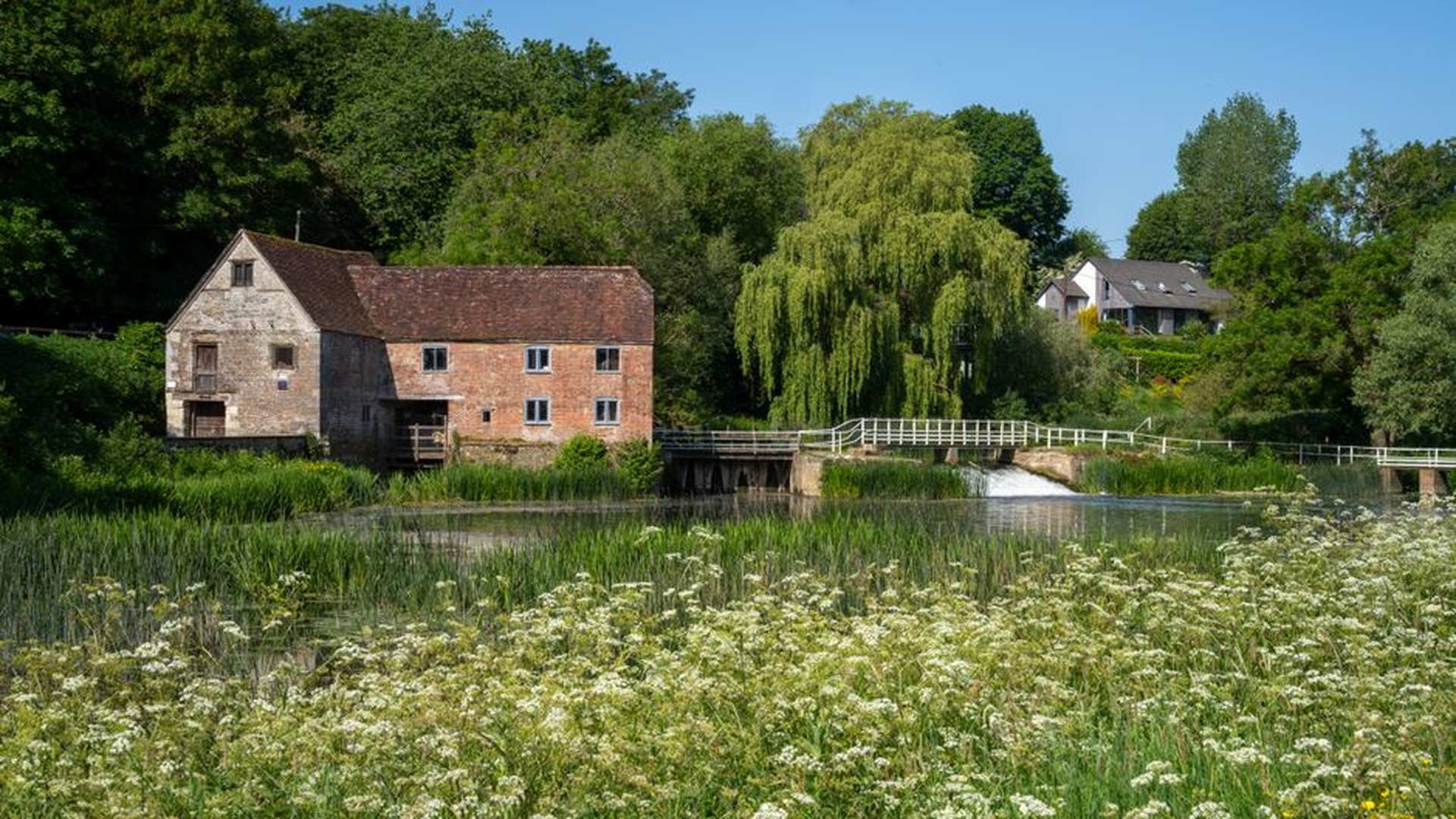
But it’s not just scenery. This path reveals one of Bibury’s quietest secrets: the old stone bridge, nearly 400 years old, so weathered that moss clings to its edges like green lace. Locals say if you walk across it at dawn, you’ll feel the silence of centuries. Some believe the bridge was built not by engineers, but by farmers who used quarried stone from nearby fields. No blueprints. No cranes. Just time, hands, and stones.
Along the path, you’ll pass a secluded picnic spot near a willow tree—where a stone bench, carved with the initials ‘E.H. 1723’, still welcomes wanderers. That’s the magic of Bibury. You don’t have to search hard for stories. They’re on every wall, under every leaf.
Why Bibury Is Perfect for the Slow Traveler
In a world of packed itineraries and 30-minute photo ops, Bibury is a balm. It invites you to slow down—not because there’s nothing to do, but because everything is allowed to unfold naturally. There’s no need to rush to a highlight. The beauty isn’t locked behind a ticket gate. It’s in the way sunlight slants across the river at 4 p.m., turning the water into liquid gold. It’s in the smell of the woolen mill shop’s wooden shelves, where a local artisan still hand-weaves fabrics using sheep from nearby farms.
A visit here doesn’t require a plan. You can sit on a stone wall, sip tea from a thermos, and just watch. Watch a mother deer lead her fawn across a field. Watch clouds drift over the rolling hills. Watch the light shift from pale yellow to amber as dusk falls. This isn’t sightseeing. It’s presence.
That’s why Bibury attracts not just tourists, but writers, artists, and retirees looking to unplug. One retired teacher from Manchester returned five times over three years—just to walk the same path, to sit by the same stream, to hear the same swallows return in spring. “It’s not about the destination,” she wrote in her journal. “It’s about the feeling you carry home.”
How to Visit Bibury Without the Crowds
Yes, Bibury is beautiful. Yes, it’s been featured in travel magazines. But you can still experience it in peace—if you know the right time and route. The best time to visit is early morning, before 9 a.m. That’s when most tour groups haven’t arrived, and the light is soft, ideal for photography. Avoid weekends and holidays, especially in late spring and early summer. Instead, visit on a weekday in autumn or winter. The colors are quieter, but the magic is deeper.
Park at the nearby village green, not in the main car park. The sign says ‘Reserved for emergency vehicles’—but locals joke it’s secretly for visitors who want solitude. From there, walk down the lane past the old church (which hasn’t hosted a service since 2005, but still opens its doors for quiet prayer). Turn left at the stone pony, and you’re on the path to Arlington Row.
And when you get there, don’t just take a photo. Stand still. Listen. The river murmurs. A sparrow hops on a stone. Time slows. That’s when you realize: Bibury isn’t just a village. It’s a moment. A pause. A memory waiting to be made.